
Even when water looks perfectly clean and fresh, it can be contaminated with different types of chemicals. It’s normal to find many of these in our water, and some are even beneficial, but there are some chemical contaminants that can pose a serious threat to your health.
The common chemicals of concern in our water are metallic contaminants like arsenic, lead, copper, mercury, and barium, and ‘forever chemicals’ like PFAS. Other contaminants like herbicides/pesticides, pharmaceuticals, Endocrine Disrupting Compounds (EDCs), fluorides, ammonia, nitrates, uranium, and radon can also be in our water.
In this article, you’ll find information about each of these contaminants in terms of their source, their health effects, and we also explain how you can find out if they are in your water. We’ve also got you covered with different ways you can safely remove them from your water.
Groups of Chemical Contaminants
Water is essential for life, but sometimes it can contain substances that shouldn’t be there. Let’s break down the different types of chemical contaminants often found in water – before we go into more detail on the ones you should be most worried about.
- Organic Chemicals: Think of stuff like weed killers (herbicides), bug sprays (pesticides), and medicines that might run off from farms or get flushed into our water systems. These can also include chemicals used in factories.
- Inorganic Chemicals: These are things like metals (lead, mercury) and compounds like nitrates, often from industrial waste or natural sources like rocks and soil.
- Volatile Organic Compounds (VOCs): These are sneaky chemicals that can turn into gases, like some components of gasoline and substances used in making plastics. They can get into water from industrial waste.
- Persistent Organic Pollutants (POPs): These chemicals don’t break down easily and can stick around in the environment for a long time. Old pesticides like DDT are an example.
- Heavy Metals: Heavy metals like lead, mercury, and cadmium can be harmful. They might come from industries, mining, or even naturally from the earth.
- Endocrine Disrupting Chemicals (EDCs): These are tricky because they can mess with hormones in animals and people. They include some pesticides and chemicals used in plastics.
- Disinfection Byproducts: When we use chemicals like chlorine to clean our water, they can react with natural stuff in the water and create new chemicals that might not be so good for us.
- Radioactive Substances: Some natural and man-made materials are radioactive, like uranium or waste from nuclear plants, and they can get into water.
- Emerging Contaminants: These are new ones we’re just starting to learn about, like certain drugs and personal care products that end up in our water.
It’s important to keep an eye on these contaminants because they can affect our health and the environment. Thankfully, there are ways to monitor and clean up our water to make sure it’s safe. So, next time you take a sip of water, remember there’s a lot that goes into keeping it clean and healthy!
Chemicals of Concern in Water
According to the Safe Drinking Water Act, a “contaminant” is any physical, chemical, biological, or radiological substance or matter in water. This definition is rather broad, and lists anything other than plain water as a contaminant – including healthy minerals.
In this guide, we only talk about chemical substances with a potential health risk as contaminants. This means we don’t include certain ‘chemicals’, like calcium and carbonate, which, in general, are not harmful.
Many different types of chemicals could be contaminating your water. While some of them can be detected via at-home test kits, many require a full laboratory analysis. Generally, water filtration systems that use reverse osmosis, activated carbon and/or ion exchange processes can get rid of most chemical contaminants from water.
1. Arsenic
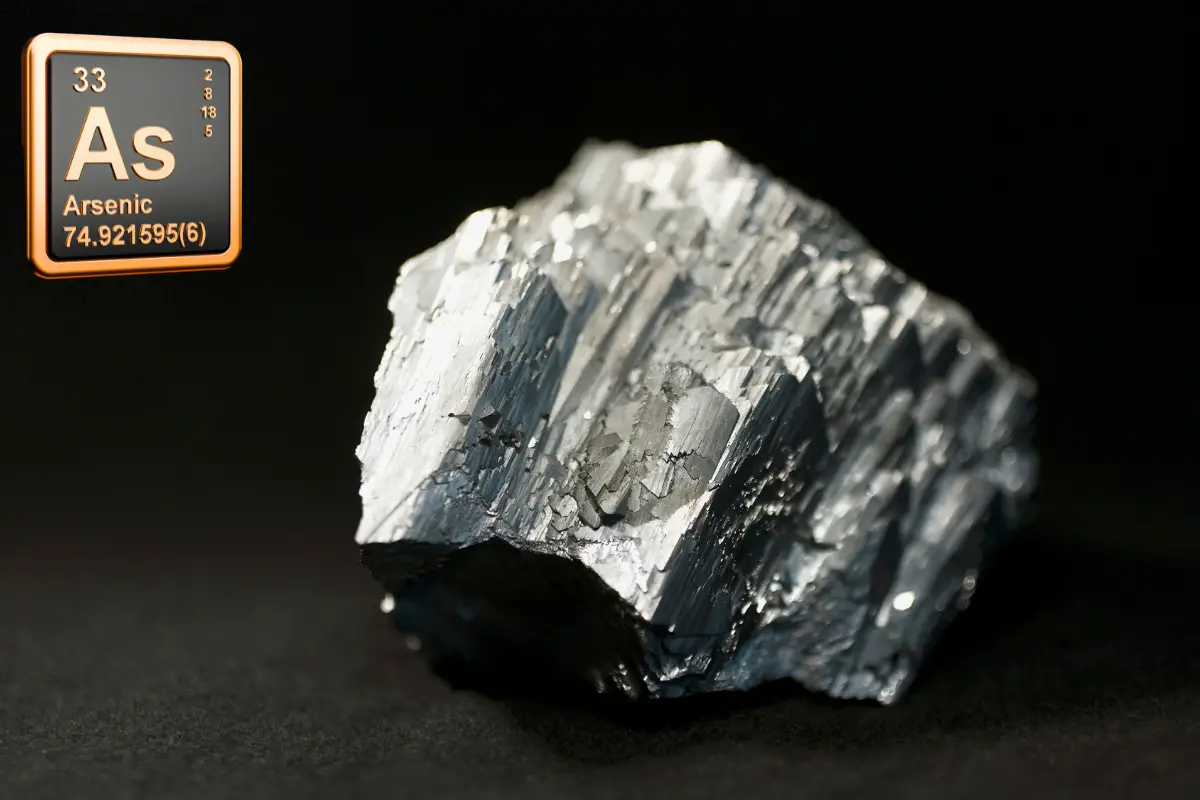
Arsenic is a naturally occurring metalloid, which means it can easily contaminate our water
However, we can also get arsenic in our water from industrial, mining and agricultural pollution, and is considered a high-risk chemical.
The reason it’s so feared is because of its health complications. At high doses, arsenic can be fatal. The most common form of arsenic toxicity though is chronic exposure to arsenic, which can lead to:
- Decrease in red cells in blood
- Arrhythmias (irregular heart rhythms)
- Chronic dermatitis (warts or bumps in your skin)
- Peripheral neuropathy (seen as pins and needles like sensation in skin)
- Increased risk of certain types of cancer (including skin and liver)
Detection: Arsenic levels can be detected with water testing kits or laboratory analysis. There are simple ones available through Amazon, or more detailed ones from labs like mytapscore.com. You can also have your own hair, nail and blood sample tested at a health facility to detect the level of arsenic in your system.
Filtration: Most point-of-use filters that contain activated alumina and charcoal, like water filter pitcher or under-sink filters can remove arsenic. Reverse osmosis systems and ultrafiltration can also effectively remove arsenic from water.
2. Lead
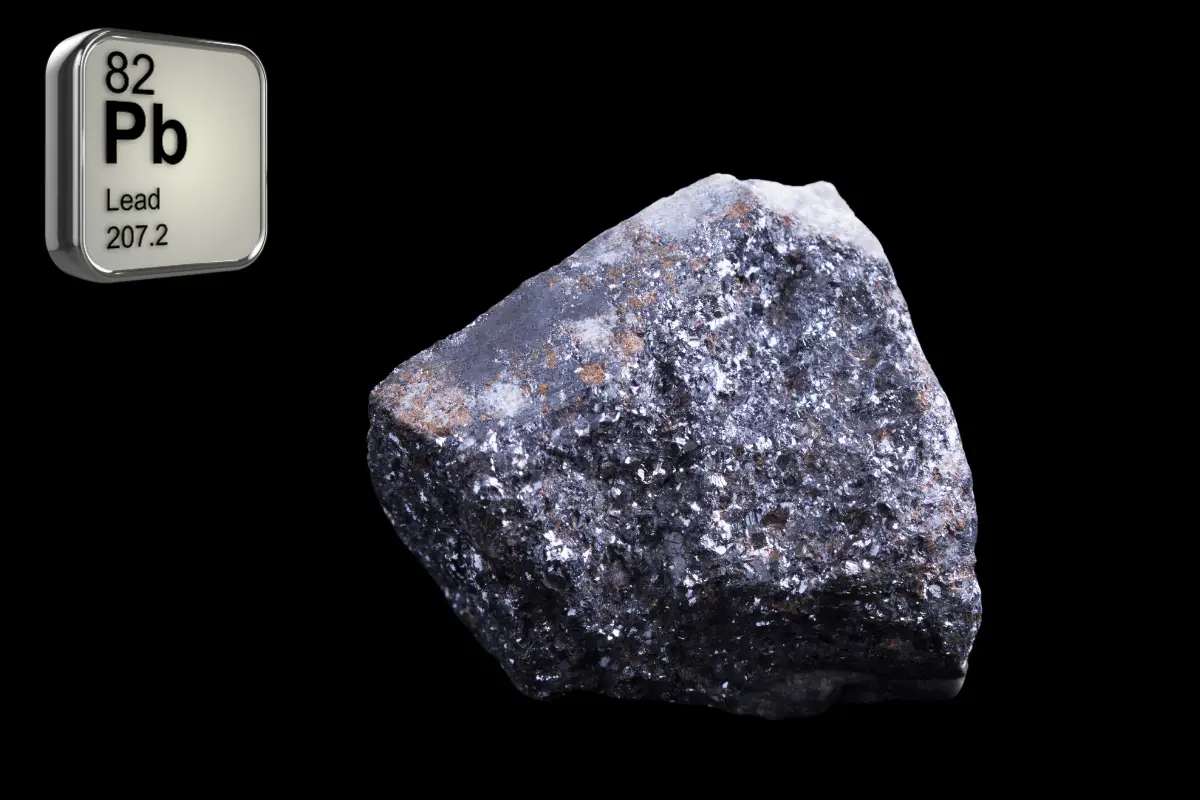
Lead is another heavy metal that is found in the earth’s top layer, but contamination with lead usually happens from old plumbing systems or lead-based pipes, leading to severe health implications. Brass fixtures in wells, or leaded-brass parts used in certain water pumps can also add lead to your water. As with most other contaminants, industrial discharges can contribute to lead in water as well, but this is far less of a problem than our very own pipes.
Health Risks: Lead exposure is associated with a wide variety of disorders, including anemia, headaches, fatigue, muscle weakness, neuropathies (leading to wrist drop or foot drop), developmental issues, neurological damage, gum hyperpigmentation, and cardiovascular problems.
Detection: Since you cannot taste, see or smell lead in water, consider testing for lead if the plumbing in your housing is more than two decades old, or if you have any reason to suspect lead contamination. Water testing using specialized kits (home-based), or laboratory analysis can identify lead.
You can read more about how to know lead is in your water here.
Filtration: NSF Certified Reverse osmosis filters or activated carbon filters are effective in reducing lead levels. Many water filter pitchers and under-sink filters use activated carbon to filter the water.
3. Copper

Copper is a versatile metal used in wiring, plumbing, and coins, and utensils. Just like lead, leaches into our water from plumbing systems. Although it is possible for water to be contaminated from natural copper minerals as well.
Health Risks: Lower levels of copper may produce nausea, headaches and diarrhea. Higher levels, however, can lead to liver cancer, acute liver failure, acute renal failure, and gastrointestinal bleeding.
Detection: Copper often has a distinct metallic smell, and some copper compounds give a bluish hue to water. Accurate levels can be figure out with water testing, including in-home test kits.
Filtration: Activated carbon filters or ion exchange systems can reduce copper concentrations. Both of these methods are common in under-sink filters, and rarely in water filter pitchers.
4. Mercury
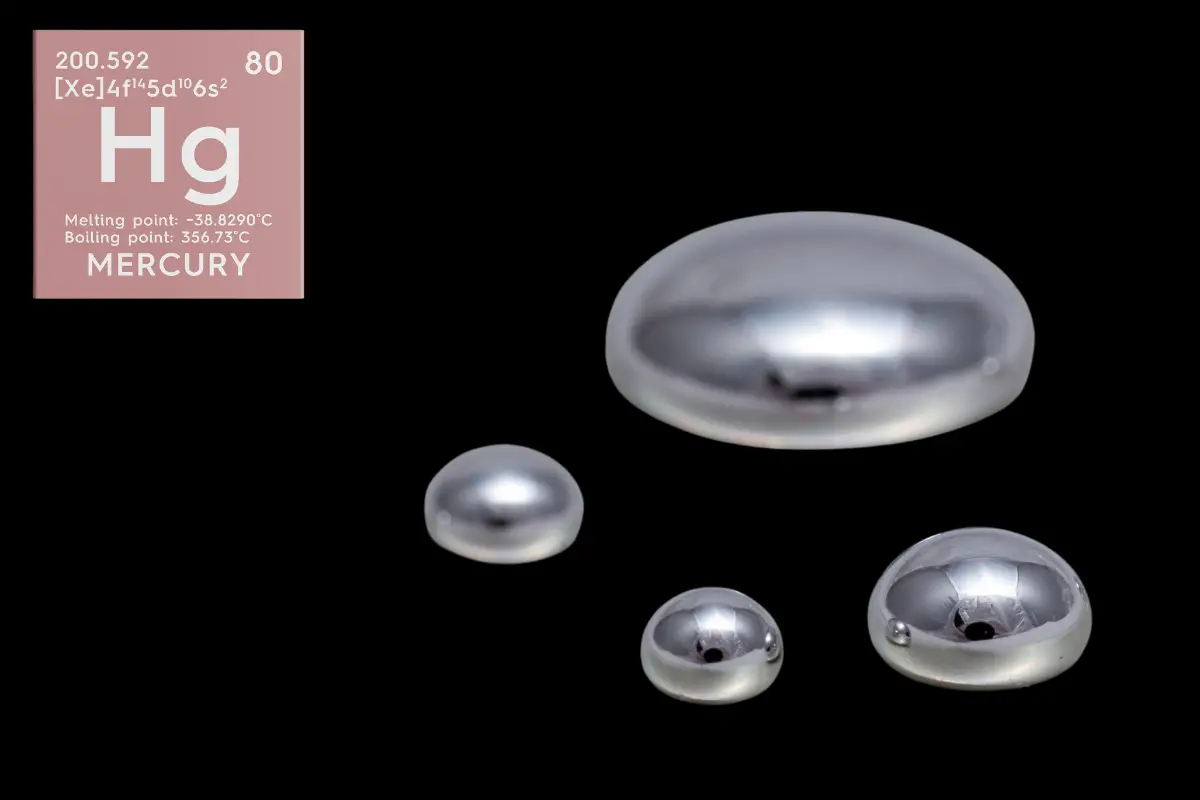
Mercury is a heavy metal that exists in a few different forms, but the most common way mercury enters water bodies is through industrial discharges and falling from the air (known as atmospheric deposition). Coal combustion and gold mining were once important sources too, but the use of mercury has been declining overall.
Health Risks: The ‘Mad Hatter disease’ depicted in Alice in Wonderland is an actual health condition, where hat-makers, who were exposed to mercury in the 18th to 20th century, developed twitching, excitability, and tremors.
Mercury exposure is also linked to neurological and developmental issues, graying of the insides of the mouth, gastroenteritis, and renal failure.
Detection: A proper laboratory analysis is needed if you want to confirm if mercury is in your water.
Filtration: Several types of activated carbon filters and RO systems can easily reduce mercury to safe levels.
5. Barium
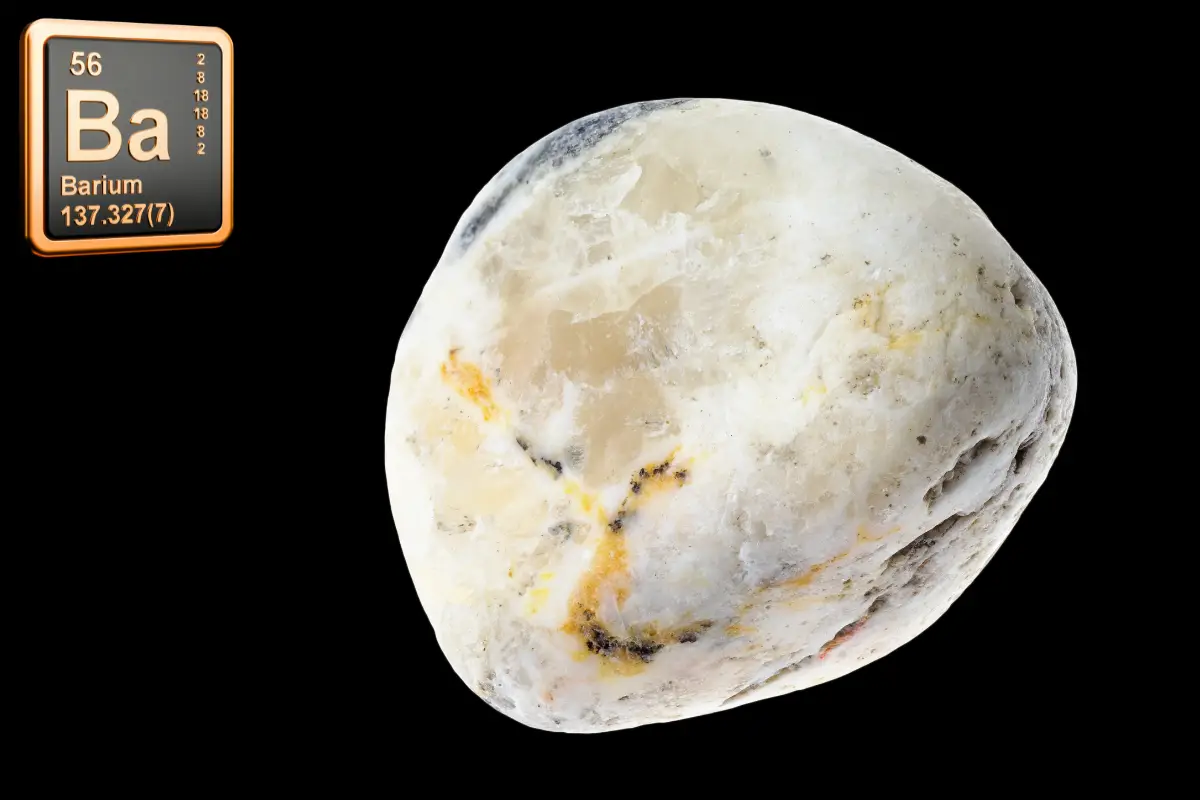
Barium usually only gets into our water from natural sources. Thankfully the amount of barium in water is usually so low it’s not a problem. However, research is still being conducted to see if exposure to small amounts of barium over a long period of time could be harming our health.
Health Risks: Although uncommon, chronic barium exposure has been linked to hypertension, arrhythmias, and gastroenteritis.
Detection: Home based kits, in general, are not available to test for barium. Water testing through laboratory analysis is therefore necessary to measure barium levels accurately.
Filtration: Like with most metallic contaminants, ion exchange filters or reverse osmosis systems can remove barium from water.
6. PFAS (Forever Chemicals)
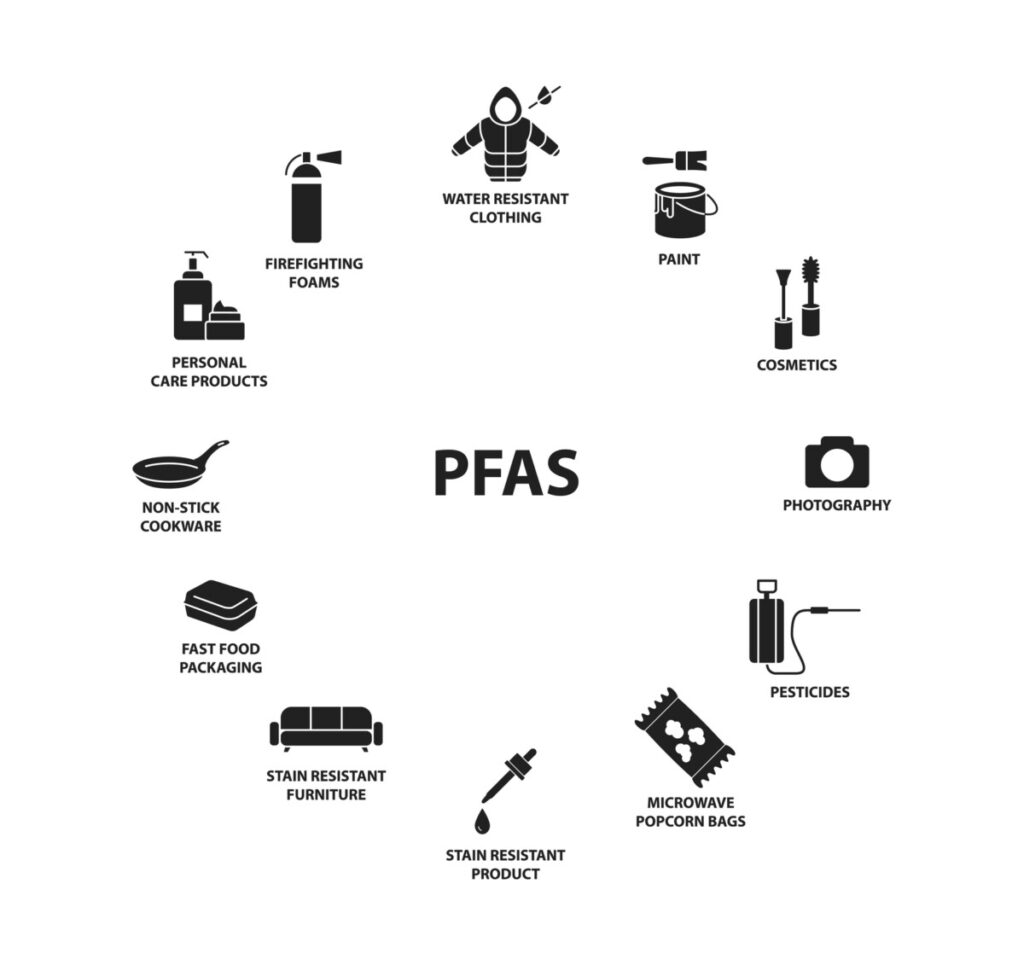
Polyfluoroalkyl substances (PFAS) are widely used chemicals that break down at extremely slow rates in nature, and are known as “forever chemicals”. They are not found naturally, and usually find their way into our water from fire response sites/firefighting foams, landfills, and even wastewater treatment plants.
Health Risks: As relatively ‘new’ compounds, their health risks aren’t fully understood yet, but there is evidence suggesting PFAS exposure is linked to adverse effects on the immune system, liver, reproductive system, and endocrine system.
Detection: Detecting PFAS in your water is tricky, since these compounds exists in thousands of forms and the EPA does not yet have methods to detect them all. Your best bet is to send collected water samples to a nearby specialized laboratory, like mytapscore.com.
Filtration: Granular activated carbon filters or reverse osmosis systems can remove PFAS from your water.
Read more here about how to remove PFAS from your water.
7. Herbicides and Pesticides

Herbicides and pesticides include compounds like atrazine, glyphosate, chlorpyrifos, organomercurials, and carbaryl. The most common source, of course, is from agricultural runoff after rain, and sometimes from personal use in our gardens.
Health Risks: Endocrine, genotoxic, hepatotoxic, and carcinogenic effects have been linked with long-term exposure to several herbicides, pesticides and insecticides.
Detection: The EPA recommends standard laboratory based testing, but enzymatic testing kits are also available for home usage.
Filtration: Adsorption based filters (activated carbon) are very effective at removing herbicides and pesticides. Reverse osmosis systems are also usually quite effective.
We have more information about how to remove specific herbicides and pesticides available here.
8. Pharmaceuticals

Pharmaceuticals and drugs contamination in water has been an increasing issue in recent years. The most common sources are poor drainage and disposal systems in pharmaceutical industries themselves, along with excretions from agricultural animals and humans – which are often not treated at wastewater treatment facilities
Health Risks: Since there are thousands of drugs in the environment and water at this point but in relatively low levels, their effects on human health are not fully understood yet.
Detection: Detecting drugs in water is a complicated issue, and in general, there are no at-home test kits. You will need to contact local laboratories to see which pharmaceuticals they can detect, and then decide whether it is worth the test or not. It may not be as so many of them are undetectable (at this point in time anyway)
Filtration: Treatments like ozone oxidation and even activated carbon are often only partially effective. RO systems are the best way to remove pharmaceuticals in your home.
9. Endocrine Disrupting Compounds (EDCs)

EDCs are chemicals (artificial or natural) that can either mimic or block the action of different types of hormones on our body. Some examples include atrazine, perchlorate and phthalates, among others.
Sources: Plastics (pipes, bottles), food packaging, beverages, cosmetics, and personal care products are the commonest sources of EDCs.
Health Risks: EDCs primarily cause hormonal imbalances, leading to issues like ADHD-like behavior, immune dysfunction, increased risk of diabetes, and gynecomastia.
Detection: Laboratory based bioassays (tests).
Filtration: Solid block carbon systems and RO systems are best suited to remove EDCs.
10. Fluoride
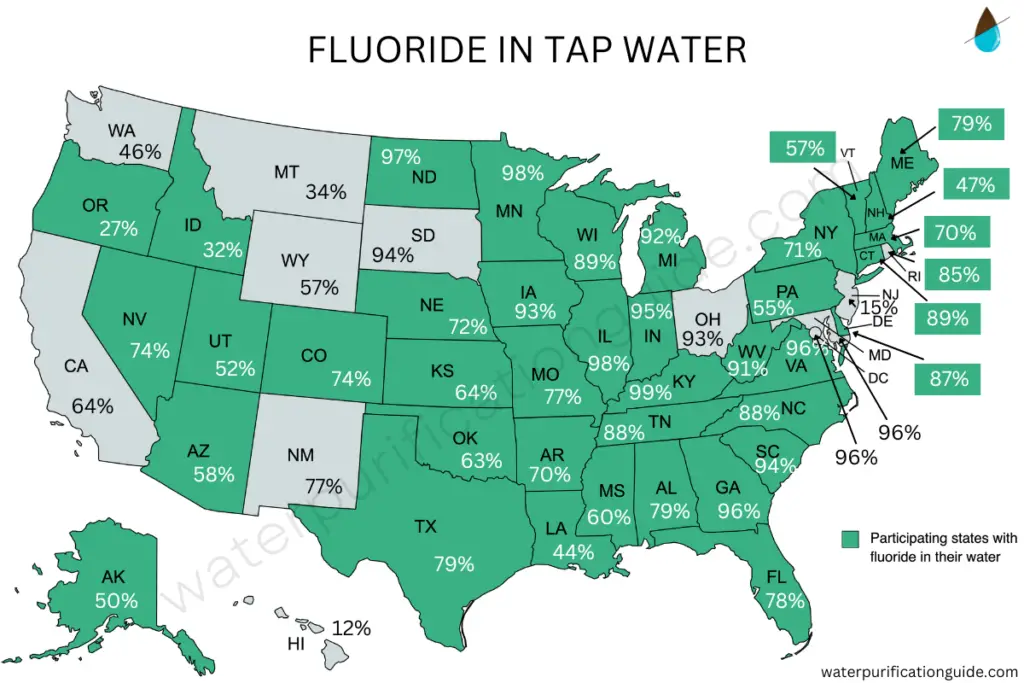
Fluorides are naturally occurring substances, but they may also be added to water supplies for dental health. Unfortunately, excessive levels can have negative effects.
Health Risks: WHO warns that high fluoride levels may cause dental and skeletal fluorosis.
Detection: Easy at-home fluoride test kits are available.
Filtration: Activated alumina filters or reverse osmosis systems are effective in reducing fluoride levels.
11. Ammonia
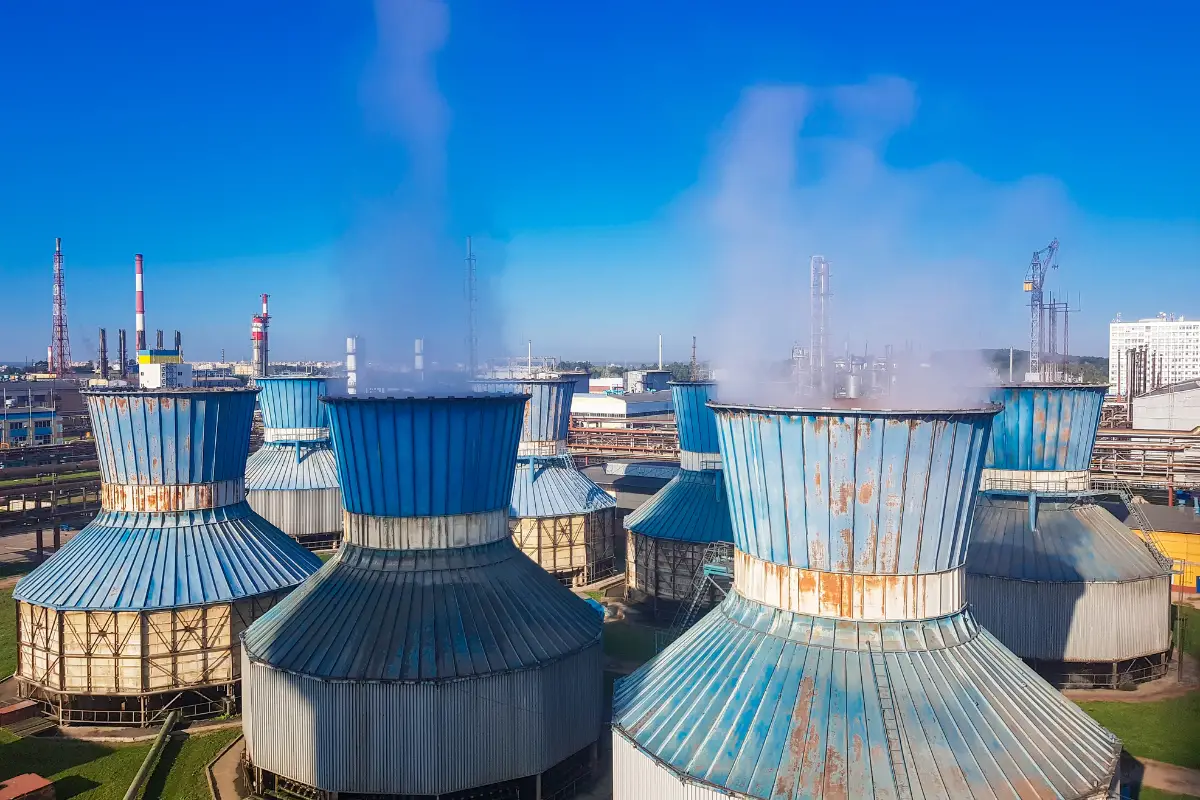
Ammonia can enter water most commonly through agricultural runoff (from fertilizers and animal feed), but it is also a popular industrial chemical, and therefore industrial discharges could be a source of ammonia in your water, too.
Health Risks: In small quantities, the harmful effects of ammonia itself have not been demonstrated. However, we still consider it a ‘chemical of concern’ because its presence can indicate agricultural runoff contaminating your water sources, possibly implying that other more harmful contaminants may be present.
Detection: Water with ammonia tends to be pungent to smell. Simple at-home testing kits or laboratory analysis can help you confirm this.
Filtration: Ion exchange filters, breakpoint chlorination, and even boiling can help reduce ammonia concentrations.
12. Nitrates

Another group of concerning chemicals that comes from agricultural runoff and can pose serious health risks is nitrates. Nitrates can also find their way into your water via wastewater plants and sewage discharges.
Health Risks: High nitrate levels can lead to methemoglobinemia, and sometimes allow favorable conditions for toxic algal blooms.
Detection: Water testing kits or laboratory analysis
Filtration: Reverse osmosis systems and ion exchange filters are most effective at removing nitrates.
13. Uranium
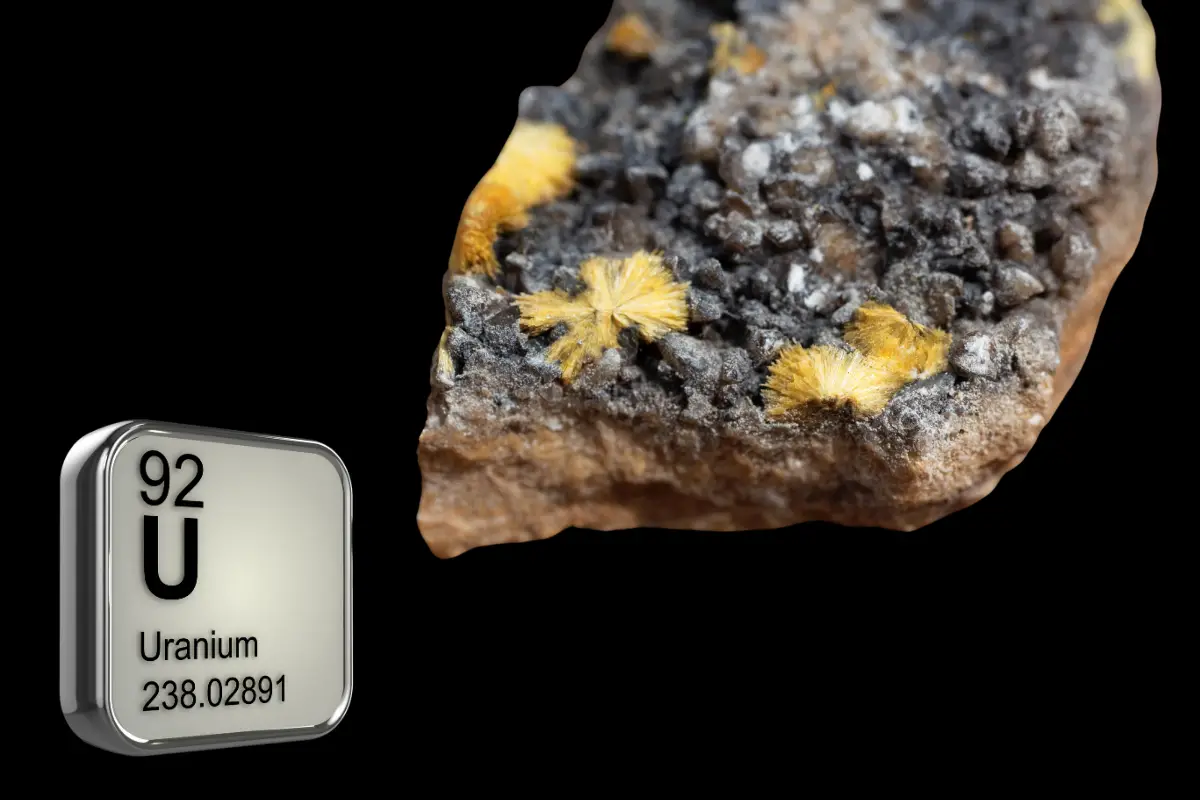
Although many of us link uranium to nuclear power plants, uranium is actually a naturally occurring substance and can find its way into your water from natural geological processes, or sometimes from industrial runoff.
Health Risks: According to the CDC, due to its radioactivity, uranium exposure may lead to cancer of bones, liver, lung and renal damage. However, its full toxic effects have not been studied in humans.
Detection: You cannot detect uranium in your water from sight or test. Often, the only way uranium is detected is if it is sent to a standard laboratory for a full contaminant panel.
Filtration: Ion exchange filters and reverse osmosis systems are the most effective in reducing uranium levels. However, uranium contamination, if found, can be a serious risk and may require other measures for decontamination based on where you live.
14. Radon
Radon is a radioactive gas that is formed from degradation of natural radioactive compounds. It can enter water sources whenever underground water is disturbed.
Health Risks: Radon exposure is associated with an increased risk of lung cancer when released into the air during water use, with the risk being much higher for smokers.
Detection: Specialized radon testing kits or laboratory analysis may be needed to measure radon concentrations.
Filtration: The CDC recommends aeration systems or granular activated carbon filters to help remove radon from water.