








Recommended
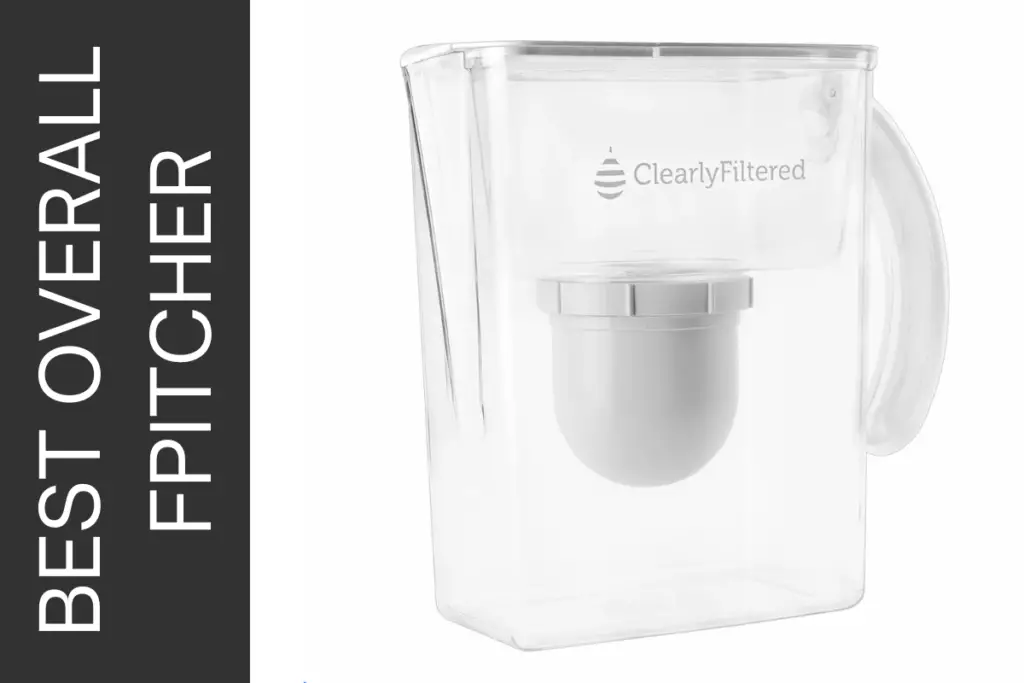
- Filters 365+ contaminants
- 100 gallon filter-life
- BPA-free
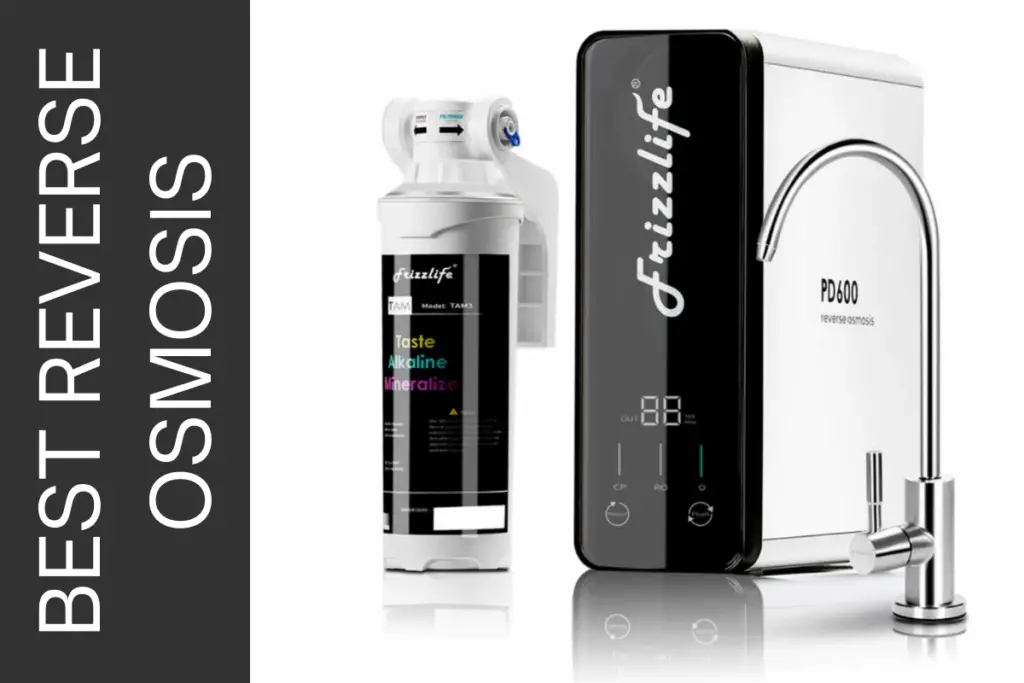
- Tankless
- Filters 1000+ contaminants
- Low drain ratio
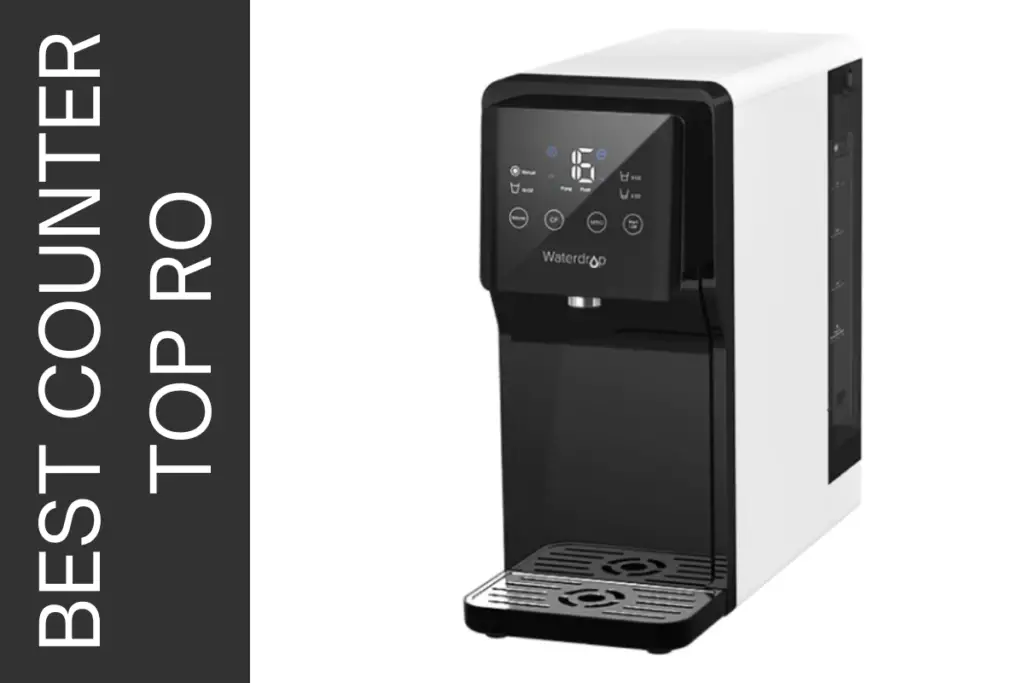
- Tankless
- No plumbing
- UV-light sterilization
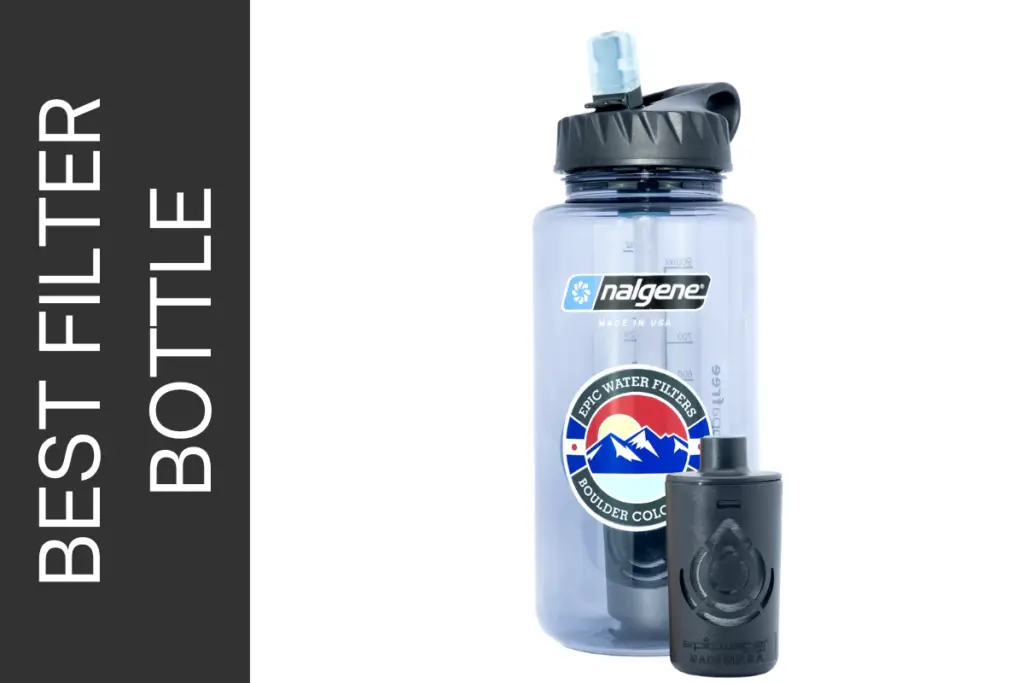
- Removes microplastics and PFAS
- BPA/BPS free
- Lifetime warranty
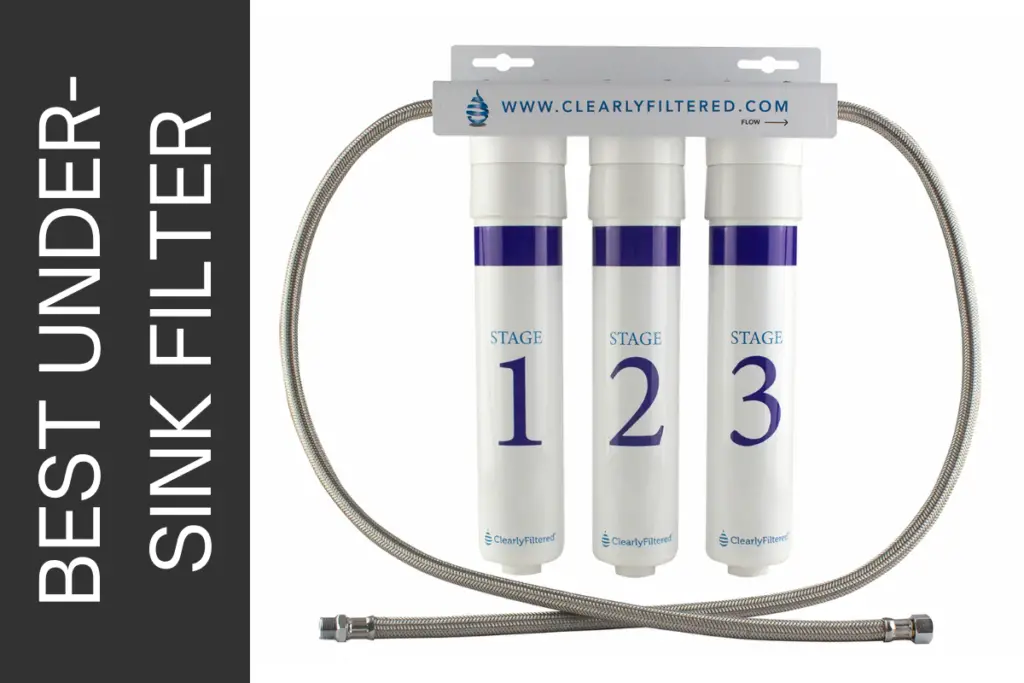
- Removes 232+ contaminants
- Fits any existing faucet
- 2000 gallon filter life
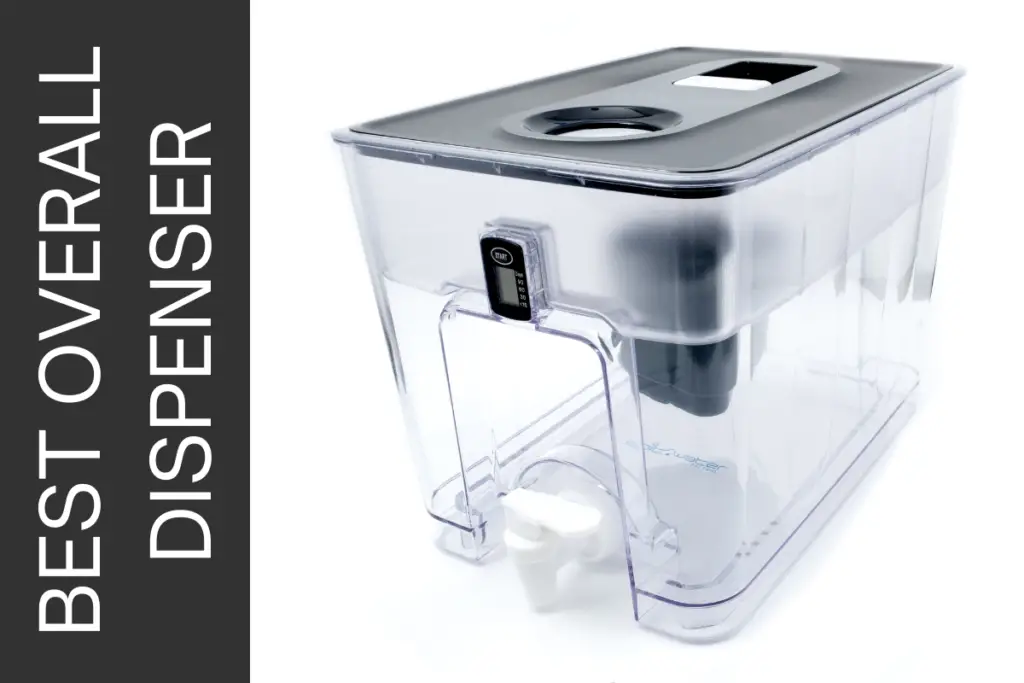
- Filters 99.999% of all tap water contaminants
- 150 gallon filter-life
- BPA/BPS-free
Recent posts
-
The Truth About Phthalates In Bottled Water

There are serious concerns about the presence of a group of organic compounds known as phthalates in bottled water, and their potential impact on public health. Phthalates are found in bottled water, but are generally considered safe at low concentrations. Although, in some countries, phthalate levels exceed the U.S FDA limit of 6 μg/L, which…
-
TFA in Drinking Water: The PFAS No One’s Talking About
Trifluoroacetic acid, or TFA, is a chemical you’ve probably never heard of but it’s showing up in more and more places, including the water you drink. It belongs to a group of chemicals known as PFAS, sometimes called “forever chemicals” because they don’t easily break down. But TFA is smaller, harder to remove, and isn’t…
-
Melioidosis From Drinking Water

Melioidosis, caused by the environmental bacterium Burkholderia pseudomallei, is a deadly and often overlooked infectious disease, historically linked to Southeast Asia and northern Australia. Known as the “great mimicker,” it can masquerade as pneumonia, tuberculosis, or sepsis, confounding diagnosis and delaying treatment. While once thought confined to tropical zones, B. pseudomallei has now been confirmed…
-
Eating Fiber Could Remove PFAS From Your Body, Study Suggests

A newly published Canadian study has revealed a potential link between dietary fiber intake and the reduction of harmful per- and polyfluoroalkyl substances (PFAS) in the human body. These findings could open the door to simple, diet-based strategies for lowering PFAS exposure, which has become a growing public health issue due to the chemicals’ persistence…
-
Skin Absorption of Forever Chemicals
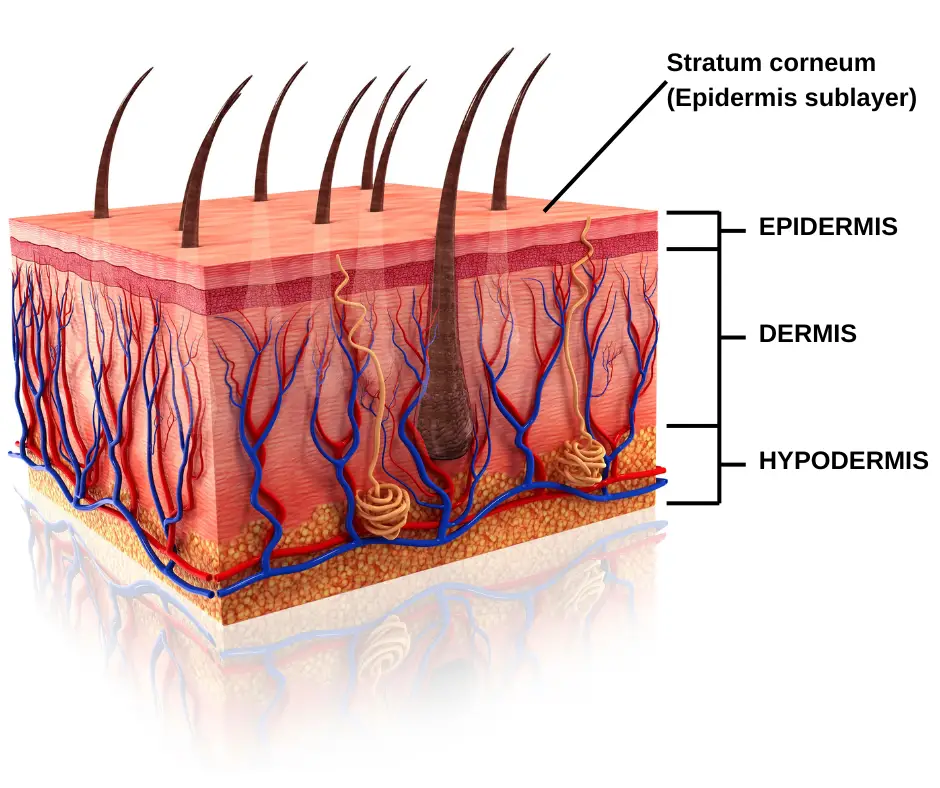
Recently, a friend messaged me: “If PFAS are in my water, am I absorbing them every time I shower?” With all the news about “forever chemicals,” it’s a fair fear, and a lot more common than you might think. Here’s the real answer: PFAS barely absorb through the skin. Even in contaminated water, your skin…
-
How To Remove Carbofuran From Your Water – Which Filter Is Best

Carbofuran is a broad-spectrum chemical pesticide that is widely used in farms around the world for killing insects and worms. It’s a highly toxic substance that can have many poor health effects if it’s in your water. Filters made from granular activated carbon, like Clearly Filtered’s water filter pitcher, are the most effective way to…
-
Why Your Water Tastes Like Metal – Plus Simple Solutions

Pure water should be colorless, odorless and tasteless (although I think it tastes refreshing). You should be a little concerned if your water has started to taste like metal. There are several reasons why this happens, and while many are harmless, some of them need you to take immediate action. Water can taste like metal…
-
Chemicals In Water You Don’t Want To Be Drinking

Even when water looks perfectly clean and fresh, it can be contaminated with different types of chemicals. It’s normal to find many of these in our water, and some are even beneficial, but there are some chemical contaminants that can pose a serious threat to your health. The common chemicals of concern in our water…
-
NSF Standards For Water Filters That Remove PFAS

There are steps you can take to protect yourself (and your family) from PFAS, or ‘forever chemicals’. The National Sanitation Foundation (NSF) has set standards in place for water filters to certify they are truly capable of removing PFAS from your drinking water. At the moment, NSF/ANSI 53 and NSF/ANSI 58 are the two standard…
-
Understanding Phthalates in Bottled Water
Phthalates have been around for decades, used in everything from shower curtains to shampoo bottles. They’re not new, but in recent years, people have started asking whether these plastic chemicals might be leaching into bottled water, and whether that’s something we should worry about. Most water bottles are made from phthalate-free PET, but trace amounts…
-
Radioactive Materials Found In Drinking Water
Radioactive drinking water may sound like the stuff of nightmares, but the reality is both natural and man-made sources can introduce these materials into our water supply. Radioactive materials in drinking water include radium, uranium, thorium, tritium, and radon. Except for tritium, these radioactive materials can be removed by reverse osmosis, ion exchange, or distillation.…
-
Herbicide Removal By Reverse Osmosis

Over 1 billion pounds of herbicides and other chemicals for controlling different pests are used yearly in the United States. This heavy usage increases the chances of herbicides contaminating your drinking water. Reverse osmosis is popular because it can remove several water contaminants. The RO membrane cannot completely remove all herbicides on its own. However, because RO…
-
Bacteria In Drinking Water (3 Ways To Know)
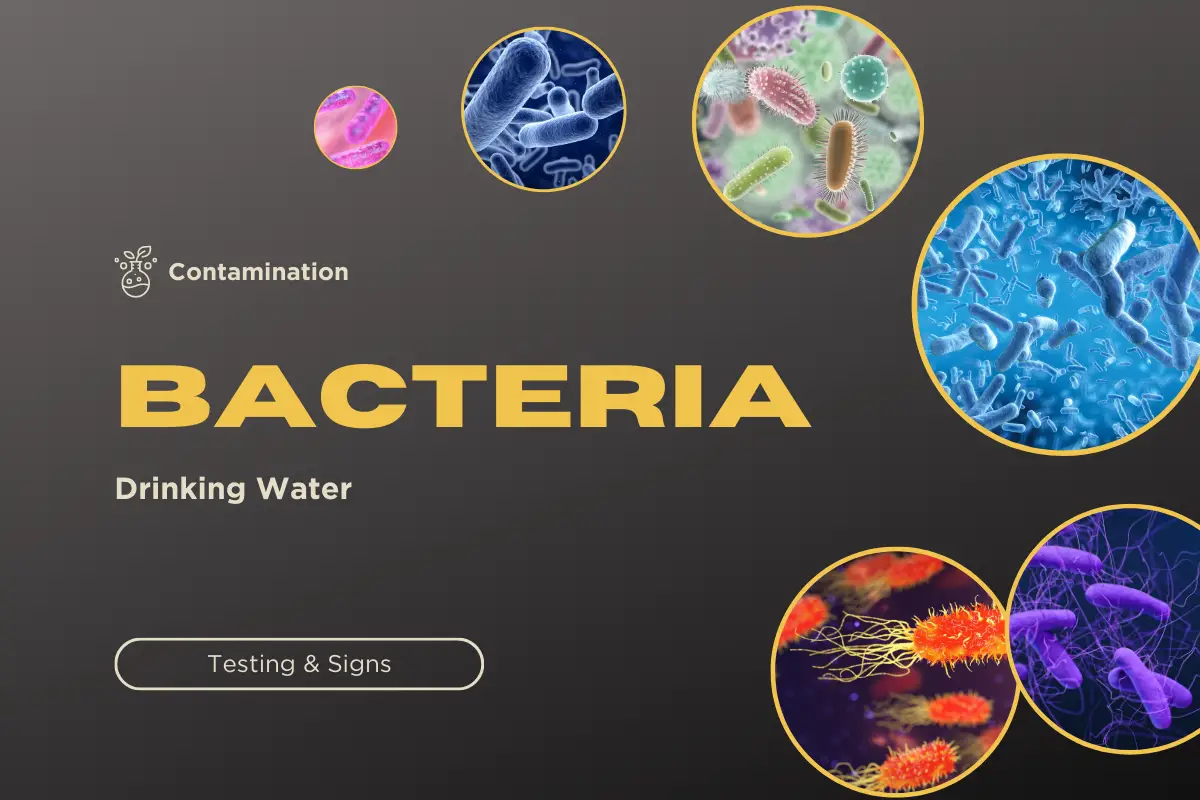
Drinking contaminated water can be dangerous. Of all possible contaminants, bacteria in water is common and of particular concern. So, how do you know if there is bacteria in your water? Bacteria in drinking water can be identified using home testing kits, laboratory testing, or by looking for signs of contamination including bad smells, how…
-
Best Under Sink Water Filters That Remove Arsenic
Arsenic is the most significant chemical contaminant in drinking water globally, but can be removed by some under sink water filters. In this article, we look at why you should want to remove arsenic from your water, how under sink water filters remove arsenic, and how much arsenic they can actually remove. We will also…
-
Do Brita Filters Remove Aluminum
Brita filters have long earned a permanent spot on many kitchen countertops. But Brita’s capabilities at reducing or removing aluminum, a common contaminant in drinking water, is of particular concern for some users. Brita water filters do not remove aluminum and Brita make no claim any of their filters can. Brita filters can still be…
-
Does Reverse Osmosis Remove Hormones?

Reverse osmosis systems are a popular and increasingly affordable way to purify water at home, but can they also remove hormones? Water filtration systems that use high-pressure membranes, like reverse osmosis (RO) and nanofiltration, can effectively remove more than 95% of hormones from drinking water. In this article, we’ll explain why we should be concerned…
-
Water Filters That Remove Arsenic – How They Do It

Arsenic is a naturally-occurring toxic substance that is dangerous when consumed in high concentrations. Unfortunately several states have arsenic levels 500 times the recommended level for drinking water. Water filters that use ion exchange resins, reverse osmosis and distillation can effectively remove arsenic. Many filters that use Titanium Dioxide adsorption techniques are also capable of…
-
How Water Filters Remove Atrazine From Your Drinking Water

Atrazine is a common chemical used on farms to kill weeds. It’s made in laboratories and not found in nature. But because of how common it is, atrazine can find its way into your drinking water supply and you should ideally use water filters to remove it. Atrazine can be removed from water using activated…
-
Water Filters That Remove Aluminum – How They Do It

Aluminum makes up about 8% of the Earth’s crust, making it the most abundant metal on Earth. It can also be found in water sources, particularly groundwater. While it’s not harmful to us in small amounts, excessive exposure to aluminum has been linked to several health issues, and ideally should be filtered from our drinking water.…
-
How Reverse Osmosis Removes Pharmaceutical Drugs From Water
Reverse osmosis can remove at least 97% of detectable pharmaceutical drugs, including antibiotics, antidepressants, painkillers, hormones and blood thinners. They are especially effective against endocrine disruptors, chemicals that interfere with our hormone balance. Only two rivers in the entire world aren’t contaminated with pharmaceutical pollution. Samples taken from waterways in every continent show concentrations of…
-
Best Water Filter Bottles For Removing Chlorine
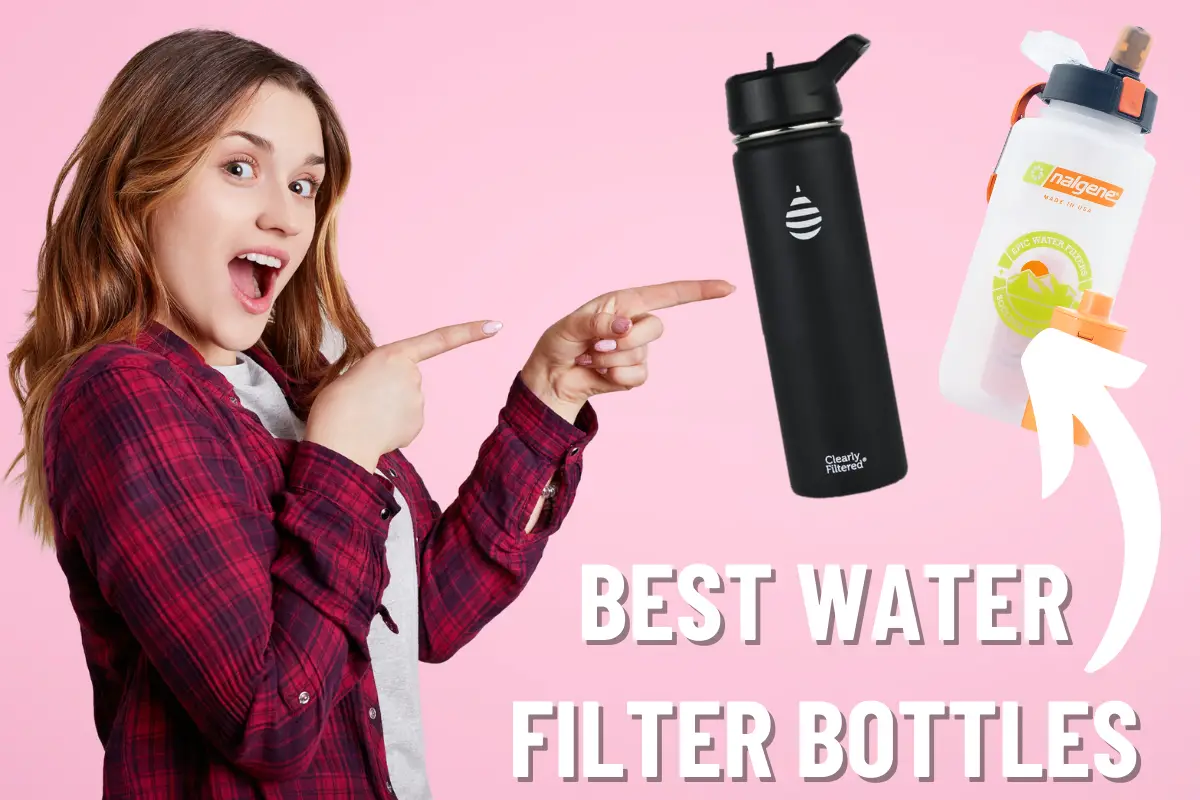
Many water filter bottles can safely remove chlorine from drinking water. Water filter bottles that use activated carbon and/or ion exchange are the most effective, and can usually remove more than 95% of the chlorine. The US Environmental Protection Act (EPA) recommends the use of chlorine for water disinfection in public water systems. While chlorine…
-
The Truth About Reverse Osmosis – BPA And Phthalates

There are some reverse osmosis systems that can remove more than 99% phthalates and 98% BPA from water. However, only systems with membranes made from polyamide are able to remove high amounts of BPA. Membranes made from cellulose cannot remove more than 40% of the BPA in water. BPA (Bisphenol A) and phthalates are both…
-
Using Shower Filters To Remove Copper – Which One Is Best?

Shower filters remove copper from water via adsorption (activated charcoal filter) or by an electrochemical redox reaction (KDF media). KDF media is the more effective of the two. However, both filters are often used together for maximum filtration of copper and other waterborne contaminants. Copper is a naturally occurring metal that can enter our water…
-
Water Bottle Filters That Actually Remove Arsenic
The Everywhere Bottle Filter from Epic Water is the only water bottle filter that is NSF certified to remove arsenic (95%). Arsenic is a metallic component of the earth’s crust that enters fresh water, lakes, and rivers naturally from the erosion of rocks. It can also enter our water supply from acid mine drainage. It…
-
5 Ways You Are Drinking Phthalates – And How To Remove Them

The phthalates found in our water cannot be seen, tasted, or smelled. Reverse osmosis and granular activated carbon can effectively remove >99% of the phthalates in your water. While ultrafiltration is only somewhat effective (<65%). Phthalates enter our water supply from the degrading of plastic products, pesticides and cosmetics. More than 460 million pounds of…
-
Brita Filters And PFAS Removal – With Laboratory Testing
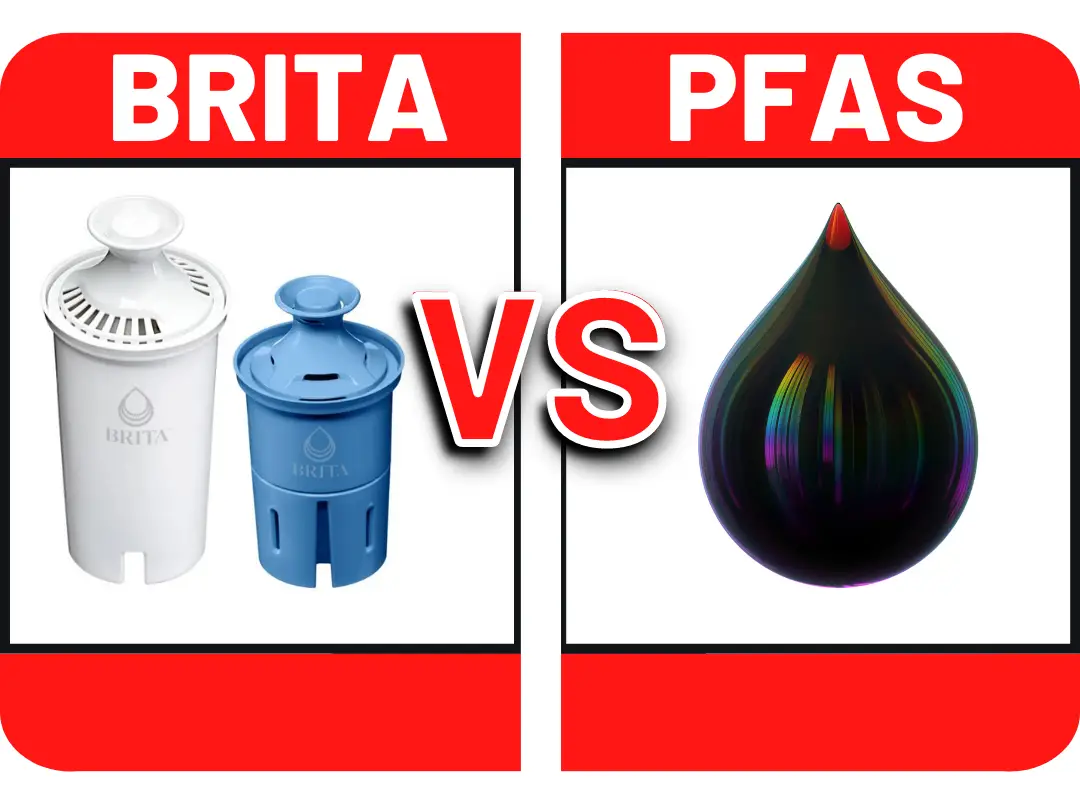
Brita filters do not effectively remove PFAS (per- and poly-fluoroalkyl substances), including PFOA, PFOS. Although all Brita filters contain activated carbon, which has been shown to reduce PFAS, Brita makes no claim their filters are PFAS safe, and none are certified to do so. If you’re like me, you are probably NOT comfortable with the…
-
How To Know If Lead Is In Your Water
Even in small quantities, drinking water contaminated with lead is harmful to our health. In fact, lead is so toxic that the Environment Protection Agency (EPA) has set the amount of lead allowed in drinking water to zero. We can’t taste, smell or see the lead in our drinking water. The only way to know if…
-
Heavy Metals Removed By Reverse Osmosis
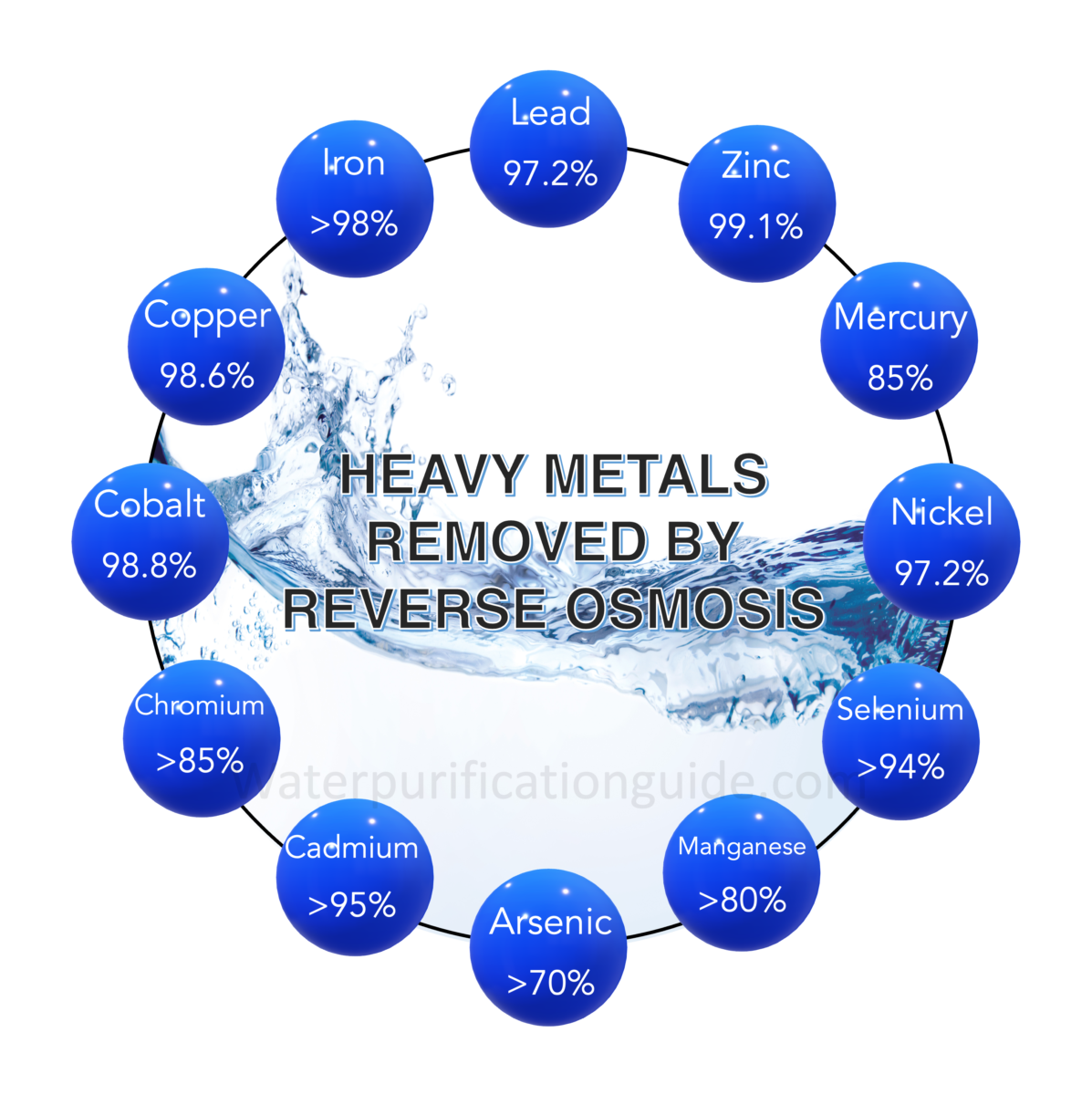
Reverse osmosis can remove heavy metals, including arsenic, chromium, iron, lead and mercury. The filtration membranes of reverse osmosis (RO) systems have a pore size of 0.1 nm, several times smaller than heavy metals. Because of this relatively small pore size, RO systems can easily filter out heavy metals. Reverse osmosis is a water purification…
-
How To Know Iron Is In Your Water – Color, Stains And Tests
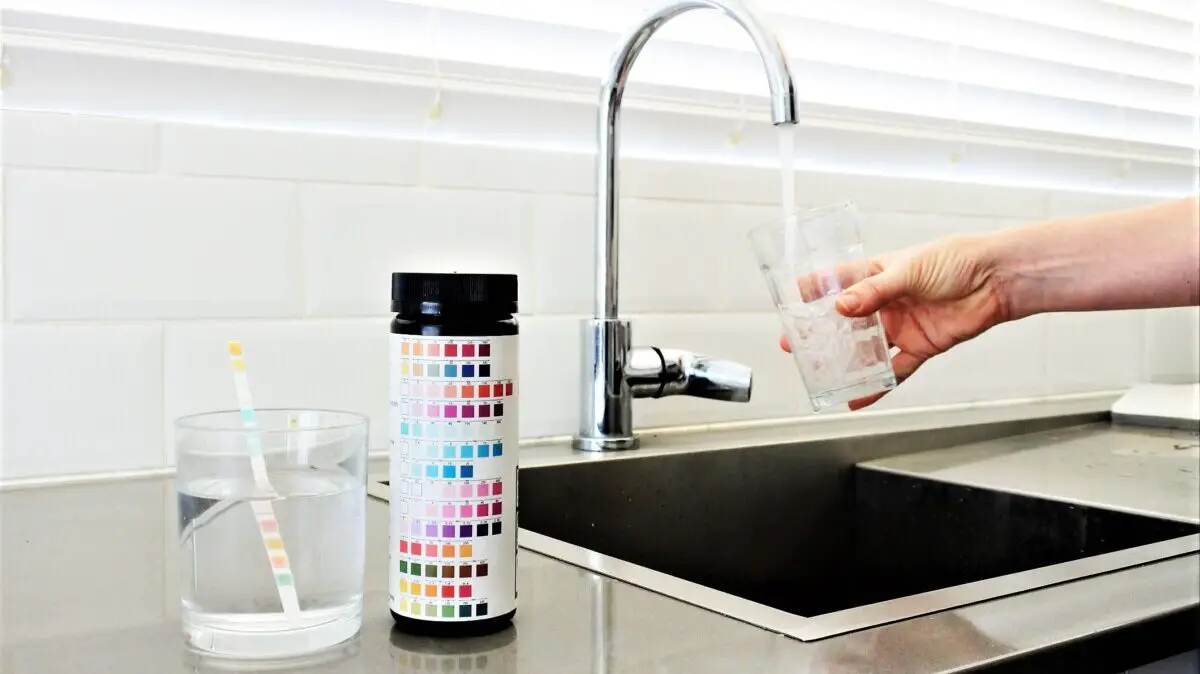
Water that contains iron can appear reddish (insoluble iron), yellowish-brown (organic iron) or clear with red particles that settle at the bottom (soluble iron). A metallic taste, clogged pipes, yellow teeth and laundry stains also indicate iron in water. Iron test kits and certified laboratory testing can determine the amount and type of iron in…
-
How Water Filters Remove GenX – A Short Chain PFAS

Reverse Osmosis and water filters that use anion exchange resins can effectively remove >99% of GenX from water. Activated carbon filters can only remove ~30% of GenX. Some water filter pitchers have been tested to remove GenX, and one filter bottle can remove PFAS. GenX is a man-made chemical that is used in manufacturing many…