Recent Posts
-
Sydney, Australia Drinking Water Reveals PFAS Never Seen Before
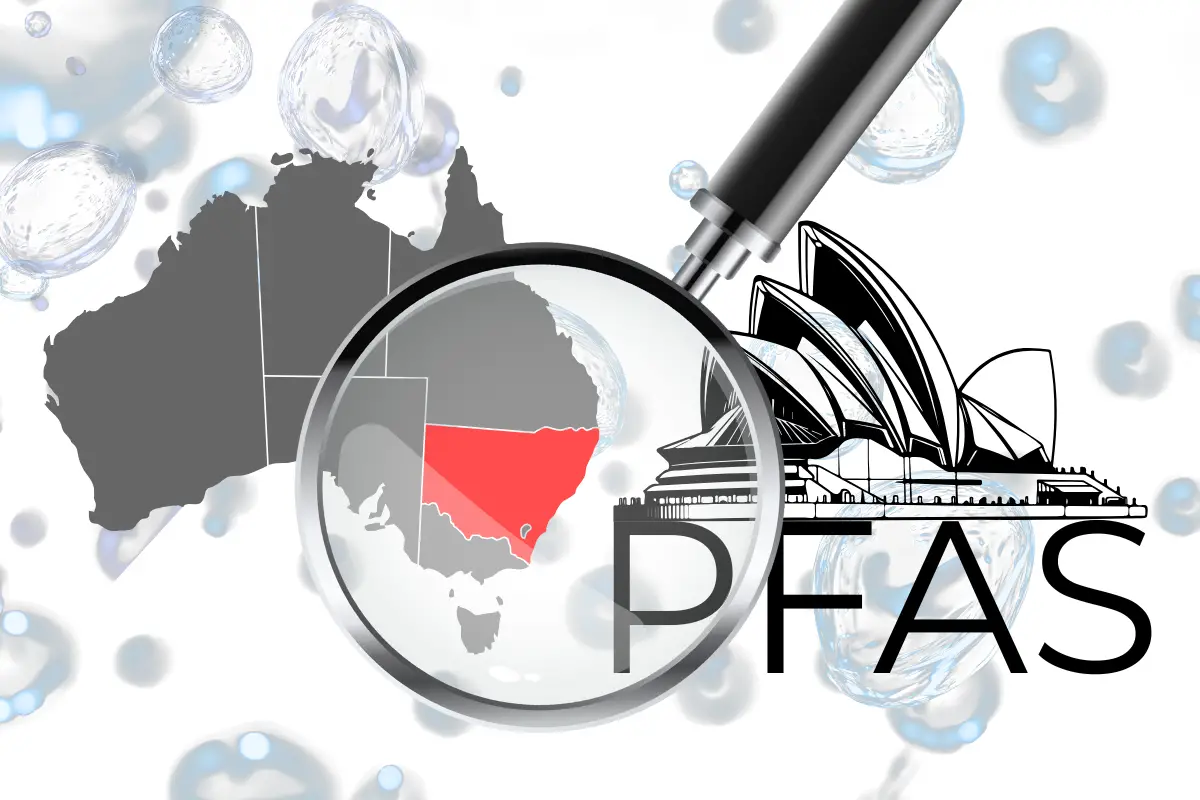
A recent Australian study has revealed that Sydney’s drinking water contains 31 different per- and polyfluoroalkyl substances (PFAS), including two compounds never before reported in global tap water supplies. While most concentrations were below both U.S. (4 ppt) and Australian (8 ppt) regulatory limits, samples from North Richmond exceeded U.S. Environmental Protection Agency (EPA) thresholds.…
-
Eating Fiber Could Remove PFAS From Your Body, Study Suggests
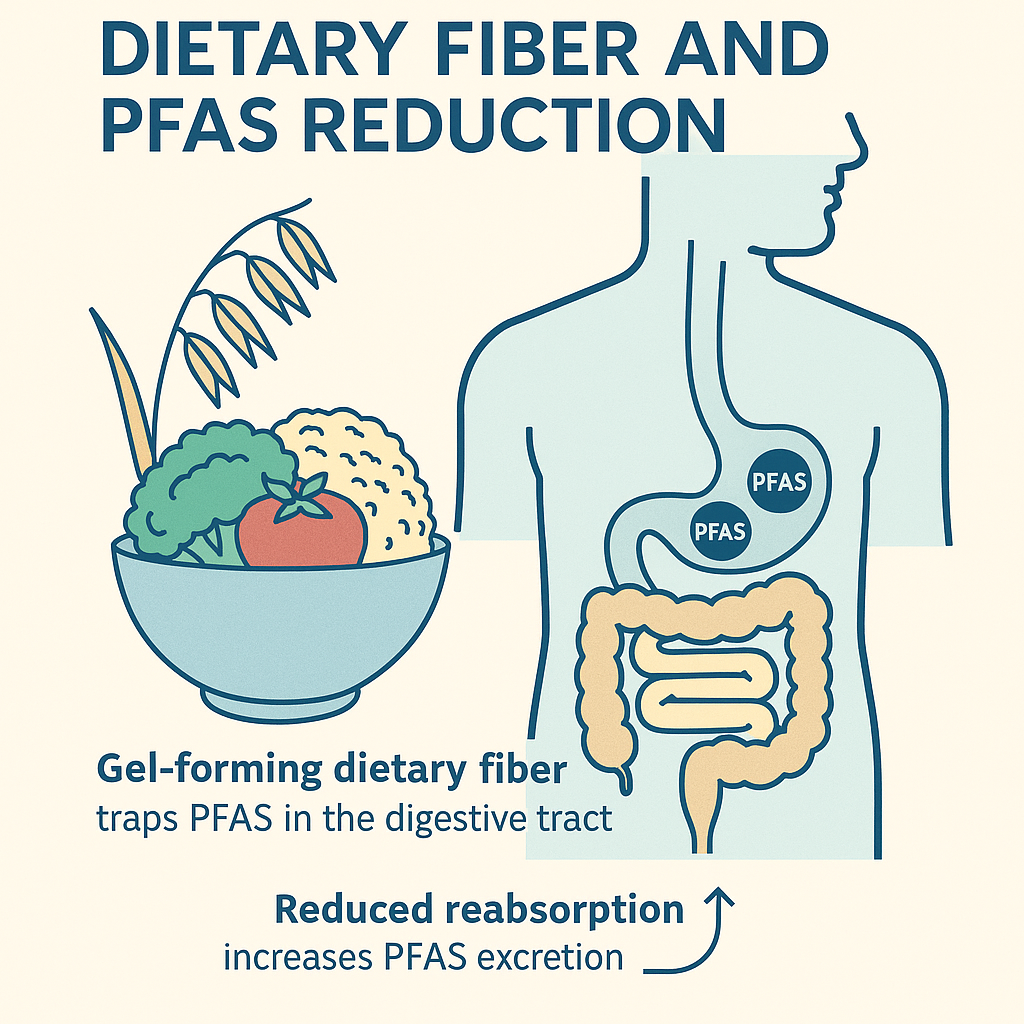
A newly published Canadian study has revealed a potential link between dietary fiber intake and the reduction of harmful per- and polyfluoroalkyl substances (PFAS) in the human body. These findings could open the door to simple, diet-based strategies for lowering PFAS exposure, which has become a growing public health issue due to the chemicals’ persistence…
-
Microcystins: Can Water Filters Remove Algal Toxins?
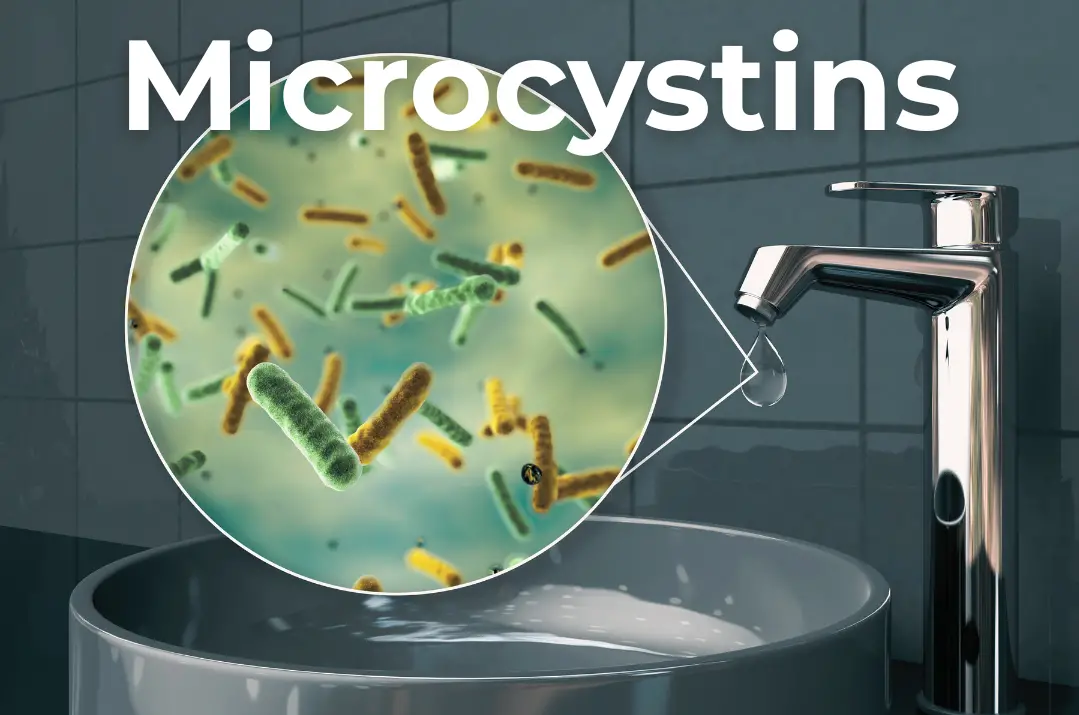
Toxic cyanobacteria, commonly known as blue-green algae, pose a risk to global drinking water supplies. The most notorious threat are microcystins, which are potent liver toxins that have caused mass poisonings and chronic liver damage. Cyanobacterial blooms are likely to increase due to climate change (warmer waters) and nutrient pollution, and many consumers and municipalities…
-
Skin Absorption of Forever Chemicals
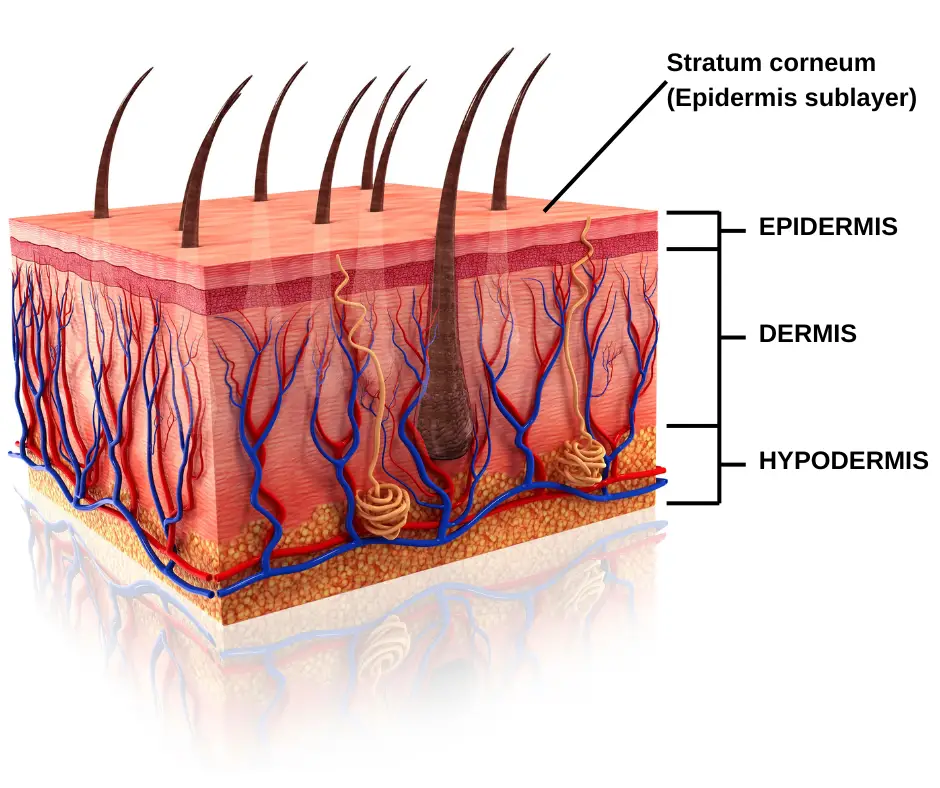
Recently, a friend messaged me: “If PFAS are in my water, am I absorbing them every time I shower?” With all the news about “forever chemicals,” it’s a fair fear, and a lot more common than you might think. Here’s the real answer: PFAS barely absorb through the skin. Even in contaminated water, your skin…
-
Why Your Water Tastes Like Metal – Plus Simple Solutions
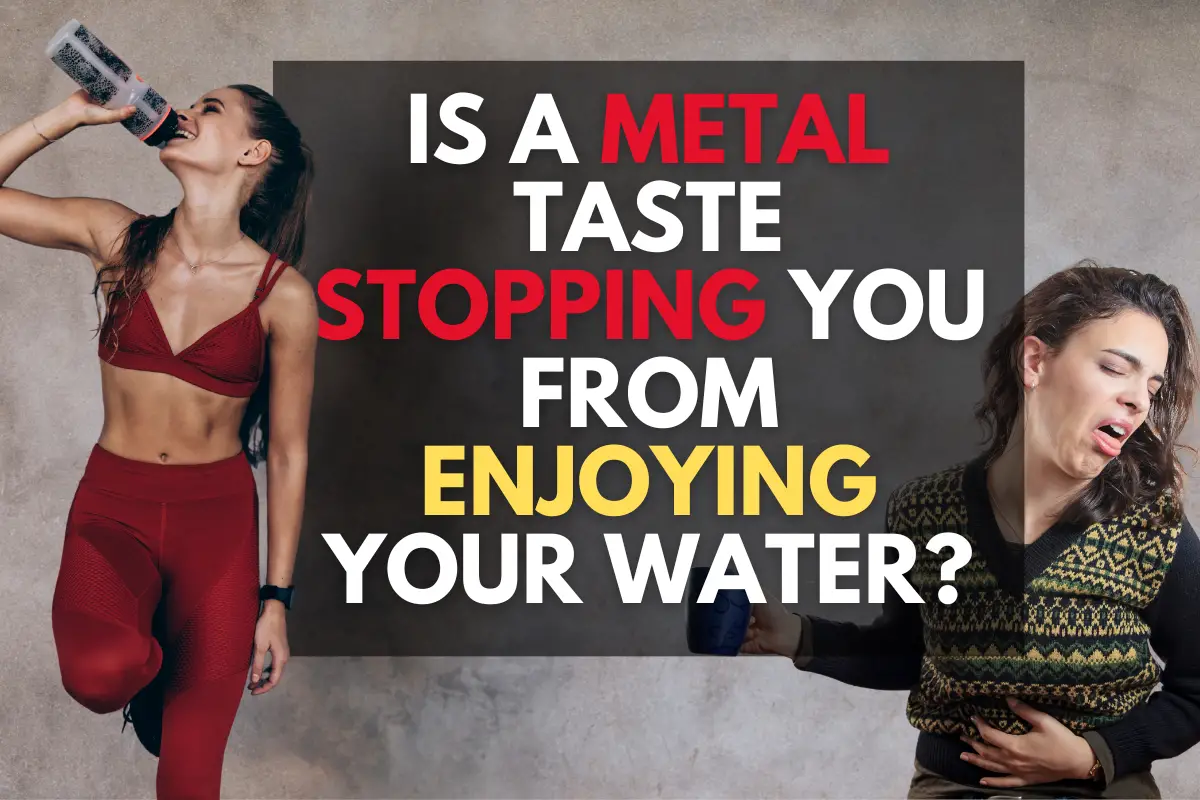
Pure water should be colorless, odorless and tasteless (although I think it tastes refreshing). You should be a little concerned if your water has started to taste like metal. There are several reasons why this happens, and while many are harmless, some of them need you to take immediate action. Water can taste like metal…
-
Chemicals In Water You Don’t Want To Be Drinking
Even when water looks perfectly clean and fresh, it can be contaminated with different types of chemicals. It’s normal to find many of these in our water, and some are even beneficial, but there are some chemical contaminants that can pose a serious threat to your health. The common chemicals of concern in our water…
-
Radioactive Materials Found In Drinking Water
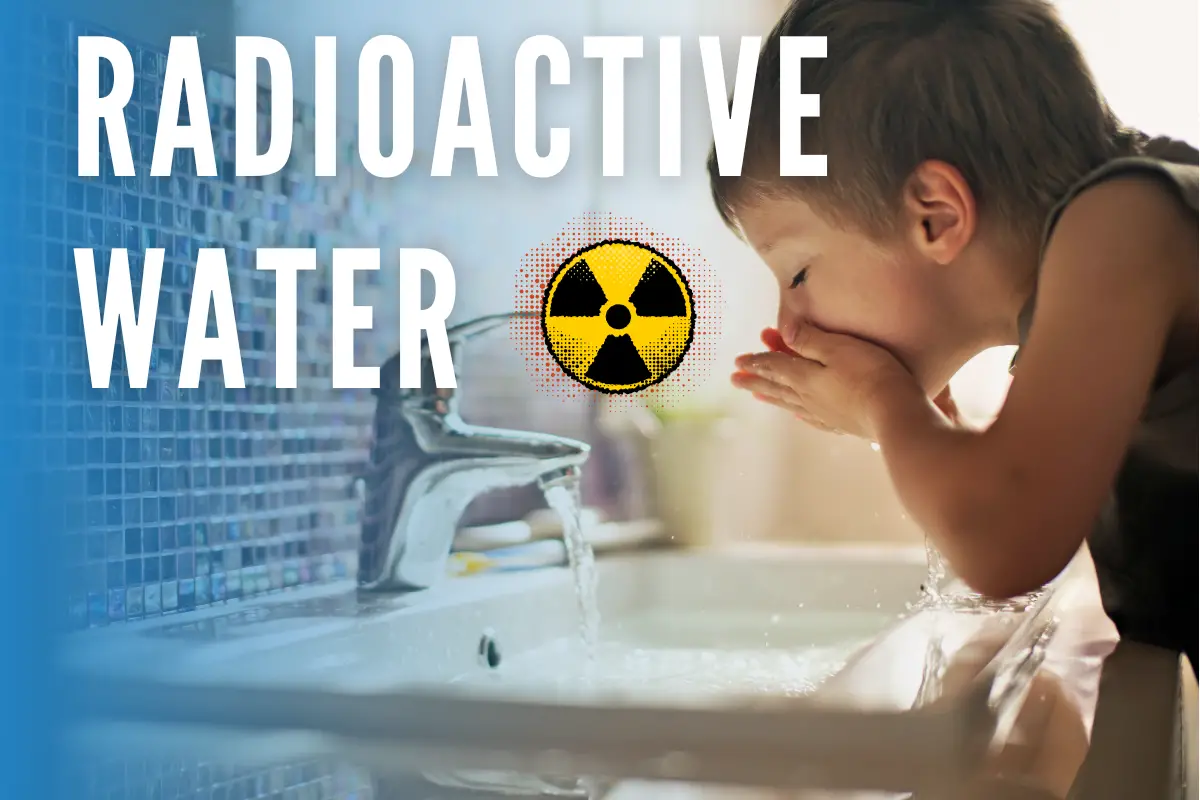
Radioactive drinking water may sound like the stuff of nightmares, but the reality is both natural and man-made sources can introduce these materials into our water supply. Radioactive materials in drinking water include radium, uranium, thorium, tritium, and radon. Except for tritium, these radioactive materials can be removed by reverse osmosis, ion exchange, or distillation.…
-
The Difference Between Dead And Living Water
Water is made of hydrogen and oxygen atoms, and isn’t truly dead or alive. But using the terms dead and living water have now become a popular way to describe certain types of water. Dead water doesn’t contain any minerals, salts, gases, or dissolved solids. Living water contains these mineral substances and hasn’t been overly…
-
7 Reasons Why You Should Drink Filtered Water
Filtered water is recommended for drinking (over tap or bottle water) because filtration removes harmful contaminants and nasty odors from water, while also improving its taste. If you usually drink bottled water, choosing filtered water instead can save money, is better for the environment and can boost your hydration. It is can also help encourage…
-
5 Ways You Are Drinking Phthalates – And How To Remove Them
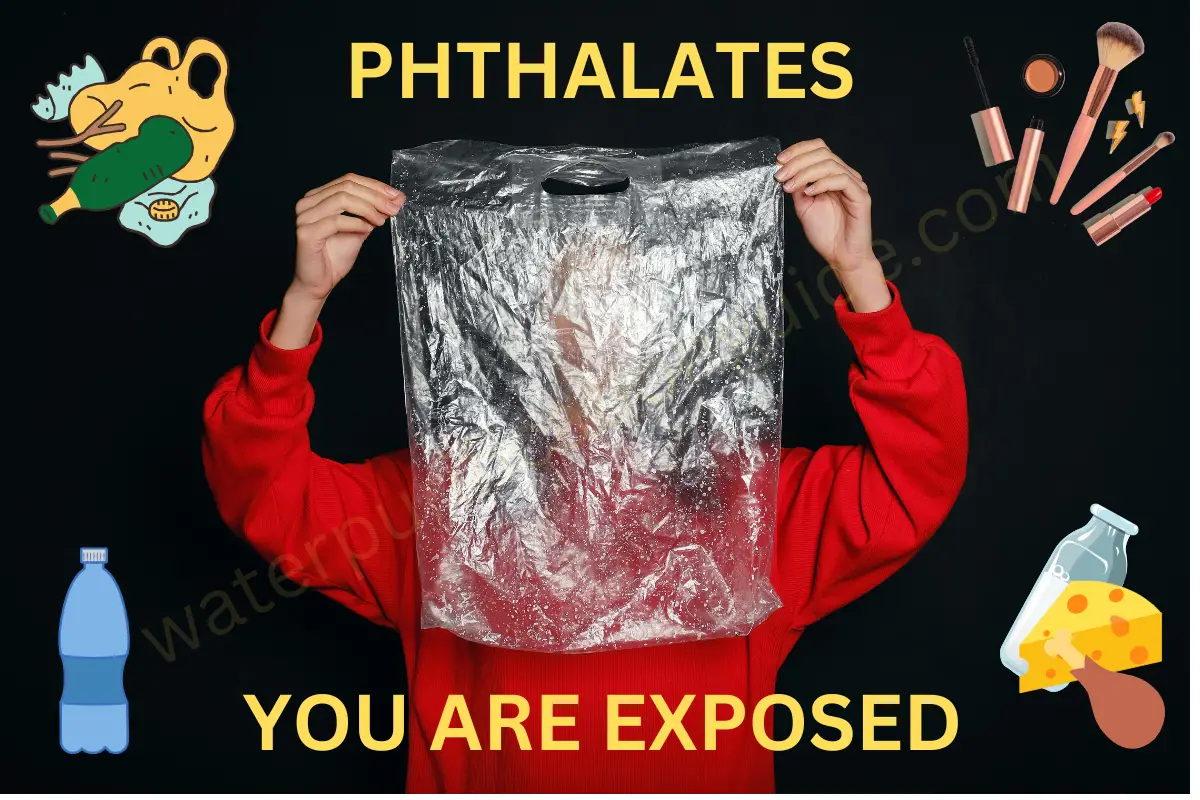
The phthalates found in our water cannot be seen, tasted, or smelled. Reverse osmosis and granular activated carbon can effectively remove >99% of the phthalates in your water. While ultrafiltration is only somewhat effective (<65%). Phthalates enter our water supply from the degrading of plastic products, pesticides and cosmetics. More than 460 million pounds of…
-
Everything You Need To Know About Boil Water Advisories
Boil water advisories are supposed to become less common with improvements in water purifying technologies, but extreme climate events and our desire to live outside cities nearer to nature and animals ensure that they keep happening. The aim of this article is to describe all the dos and don’ts during a boil water advisory. Water…
-
7 Ways You Can Add Minerals To Your Water

Minerals can be added to water using mineral salts, drops, powders, and tablets. Essential minerals calcium, magnesium, potassium, sodium and zinc can be added to water and easily absorbed. Essential minerals are critical to the human body as it cannot produce them on its own. Nearly half of all Americans do not meet their daily…
-
STUR Water Enhancers [Review]
![STUR Water Enhancers [Review]](https://waterpurificationguide.com/wp-content/uploads/2021/09/Stur-wide.jpg)
Stur makes your drinking water healthier and tastier. It is one of the best organic water enhancers out there. It has the qualities which will make you fall in love with the habit of drinking water in an all-new way.
-
Drinking Water – How Much Is Too Much?
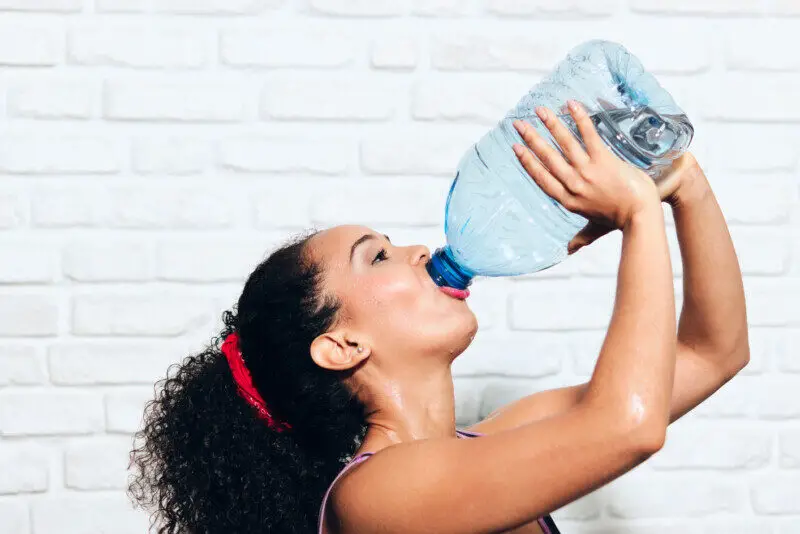
Drinking water can help you avoid dehydration, but when you consume too much water, your kidneys can not get rid of the excess. This can leave you wondering how much water is too much to drink in a day, or even an hour. Consumption of more than 3.7 liters (125 oz) of water per day…
-
Is Drinking Spring Water Healthy?
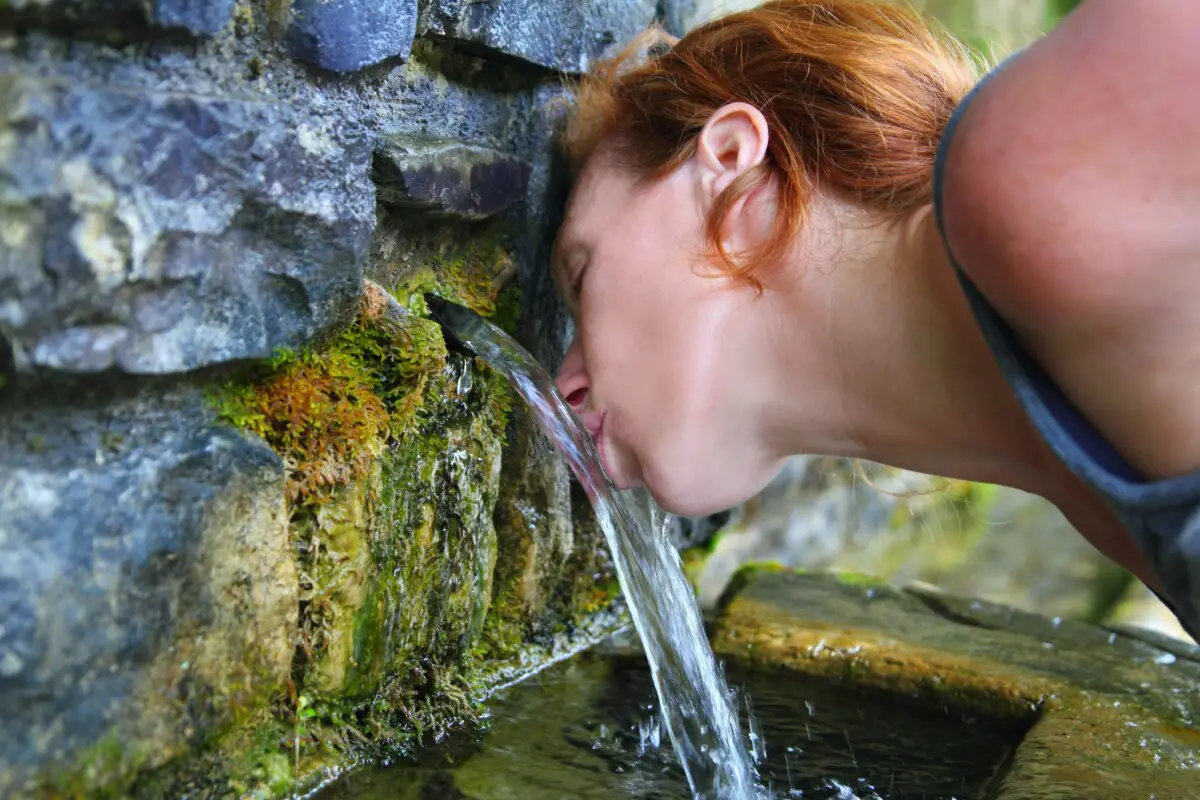
A healthy body needs water to function properly, so it is important to keep hydrated throughout the day. One of the most popular types of water to drink is spring water, but is it actually healthy? Spring water is known for its natural pH level and mineral contents. As spring water comes straight from nature,…
-
Are MiO Water Enhancers Good Or Bad For You?

Anything can get monotonous and boring, even something as simple as drinking water. Sometimes in attempts to overcome the boring experience of drinking plain water, we add artificial flavoring. But how safe are flavor enhancers, like MiO? The artificial flavors and preservatives used in MiO have a reputation of being harmful but are still Generally…
-
Drinking Water For Clear Skin: How Much And How Often?

There’s a lot of information online about water giving you clear skin, but it’s harder to find specific details. Staying hydrated helps us maintain clear skin and a healthy glow, but how much do you actually need? Drinking half a gallon (8 x 8-ounce cups/ 2 litres) of mineral or tap water throughout the day…
-
Can Water Flush Out Toxins – And How Does It Work?

Toxins are a normal part of life, and our body already does an amazing job of removing harmful substances via the liver, kidneys, colon, and skin. However, it’s important that we are hydrated for our body to have enough water to flush out toxins. Water can “flush” out toxins by helping the kidney and liver…
-
Water Quality Tests: What To Consider And How To Do It

Water quality can be tested using DIY home kits, send-away kits, or by hiring water professionals. Send away kits and water professionals provide more comprehensive, reliable, and readable results, while in-home kits are inexpensive and quick. Drinking lots of water has great health benefits, but it depends on the quality of water you drink. It’s…
-
CPAP Machines – How Much Water Do They Use And Why?
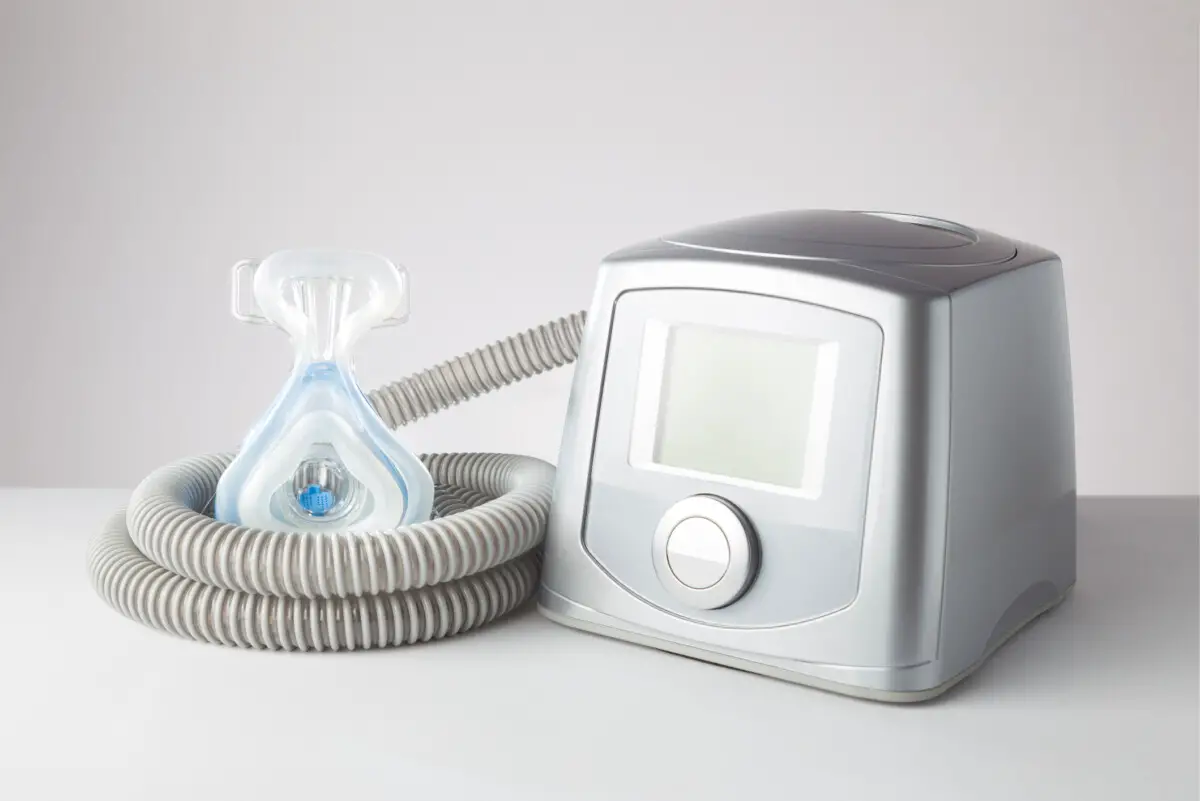
The amount of water used in the CPAP machine’s humidifier varies on the atmospheric humidity and your CPAP humidity level settings. More water is used during cold and dry weather (less than 40% humidity) or when you increase the temperature setting on your CPAP. The water chamber in a CPAP machine typically holds around 11-17oz…